

Trace the whole journey
Ask your designer to trace rainwater from the roof to its lawful discharge point. Include roof edges, balconies, door thresholds, external paving and the ground beside the house. The US EPA’s moisture-control guidance treats site drainage, foundations, walls, roofs, plumbing and building services as related issues.
No detail should depend on water simply disappearing. The route needs to be designed for the site, coordinated with other work and maintainable after the house is occupied.
Water details are easier to check if you agree the inspection plan before work is covered. On the coast, setback and exposure belong in the same conversation: see the high-water mark.

Photograph: Гульнара Бектемировна · CC BY 4.0. Source and licence.

Resolve junctions before finishes
A roof penetration, a wall meeting a balcony or a window meeting a wall brings different trades together. Ask for clear details and an agreed sequence. Who supplies the compatible materials? Who checks the work before it is covered? Who owns the completed junction?
Keep the manufacturer’s requirements and the designer’s specification available to the installer. Do not substitute a sealant, membrane or coating just because the packaging looks similar. Compatibility and the substrate matter.
Agree checks before covering up
Ask the supervising professional to identify inspections and any suitable tests before waterproofing or services disappear under finishes. Document the result and the location. Tests must follow the professional’s method and the system’s requirements; an improvised flood test can cause damage or create an unsafe load.
Photographs help record what was visible, but they do not establish compliance. Have the responsible professional interpret the evidence and record the outcome.
Make maintenance possible
Can a competent person safely reach drains and inspect roof details? Can blocked outlets be noticed before water enters a room? Ask how the design handles a blockage and what maintenance is expected.
Do not climb onto a roof to investigate a leak. If water is near electrical equipment, keep away and get qualified help. Repainting a damp patch does not identify the source; investigate the cause before redecorating.
Do
- Review the complete water route with the design team.
- Coordinate junctions and compatible materials.
- Record professional checks before finishes conceal the work.
Avoid
- Treat waterproof paint as a universal repair.
- Improvise testing or add water loads to a roof.
- Block access to outlets behind permanent finishes.
Sources & scope
Sources reviewed 10 November 2026. Linked international guidance supports general principles only; it is not Mauritius law or a local construction specification.
Written by 3dspace.mu Editorial. This article is general educational material, not professional review or advice for your site. No claim of architect or engineer authorship is made.
Read next
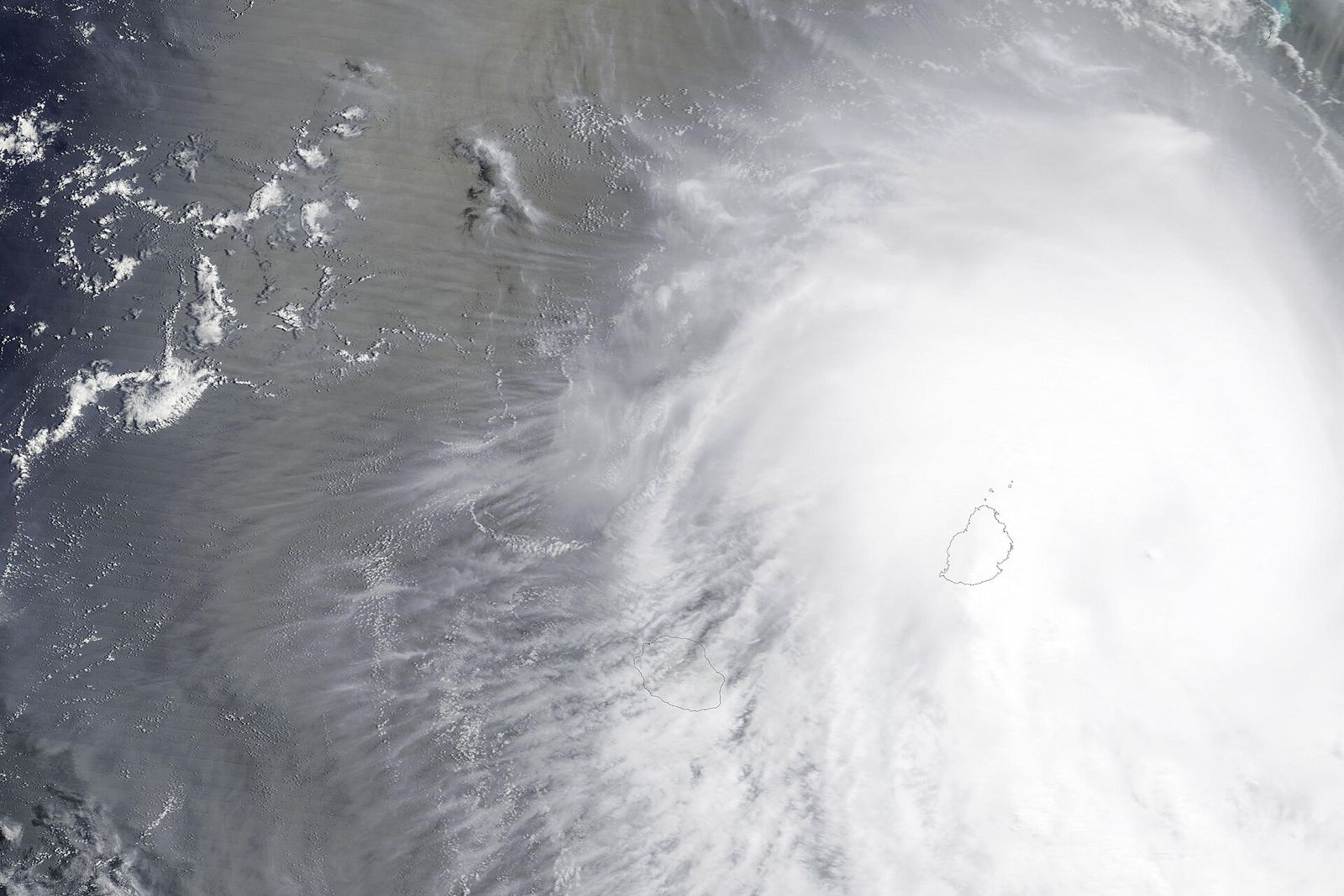 Design for the islandAsk harder questions about wind.Cyclone design is an engineer’s job. These are the questions a homeowner can still ask, without pretending to have designed the roof.
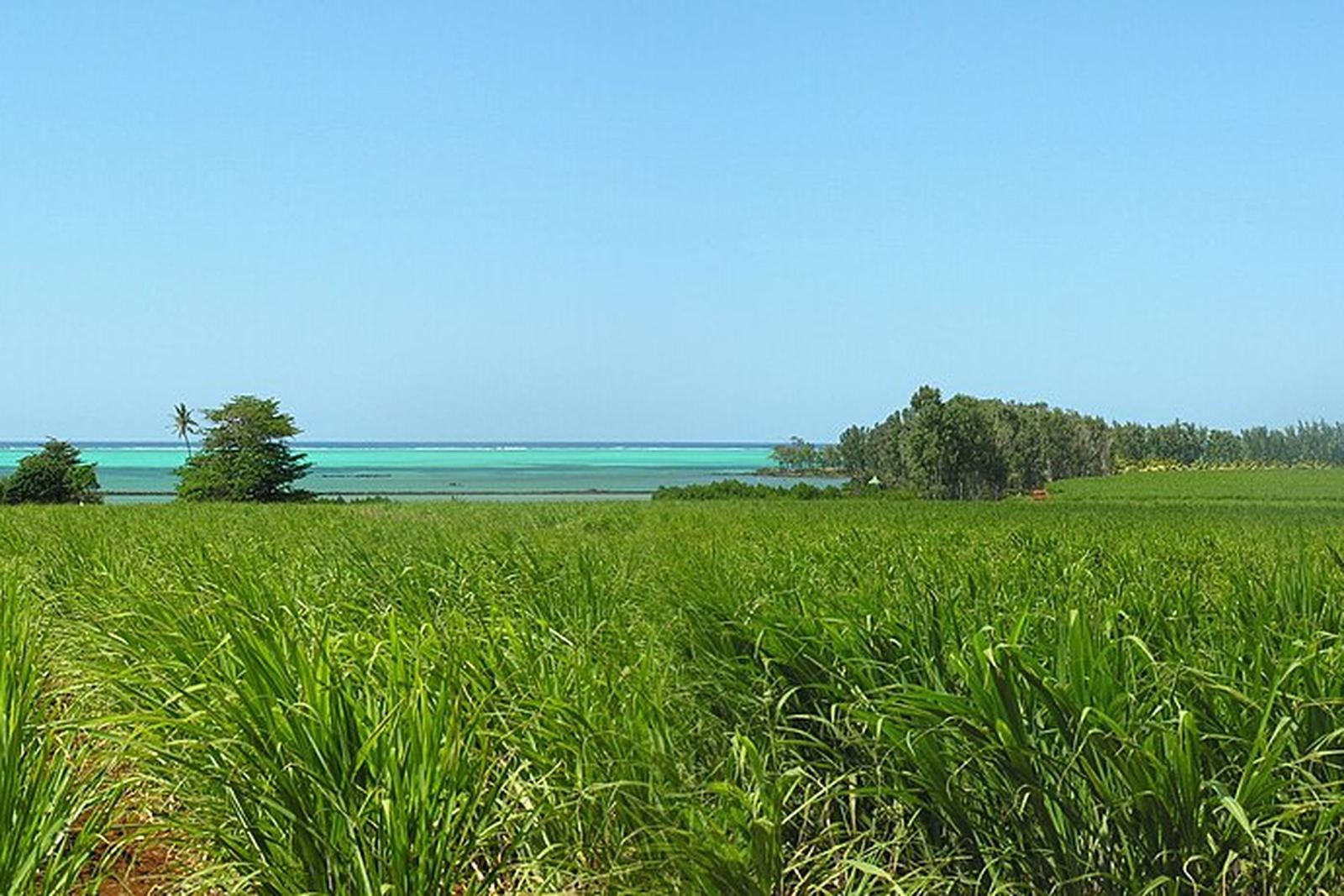 Plan wellRead the land before you draw the house.A pretty view does not tell you about access, boundaries, water or the questions a site visit cannot answer. Start there, before anyone draws a house.
 Plan wellThe permit comes before the first block.In Mauritius the permit comes first. Here is how to find the current rules for your site, without guessed fees or invented timelines.