Start with the climate, not a photograph from somewhere else
A house that works in one climate can struggle in another. These short notes set out the questions worth asking before you copy a picture from somewhere else.
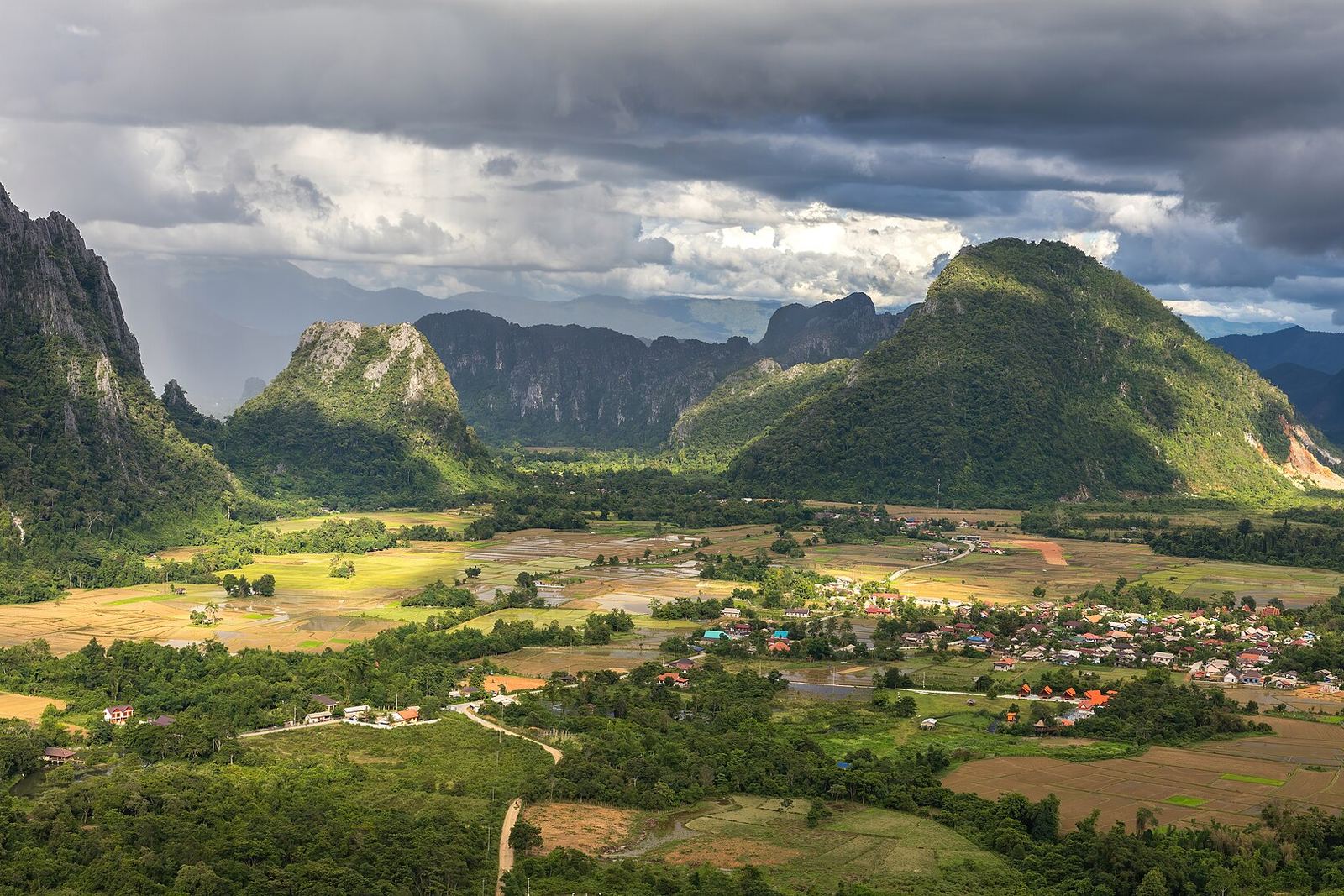
Photograph: Basile Morin · CC BY-SA 4.0. Source and licence.

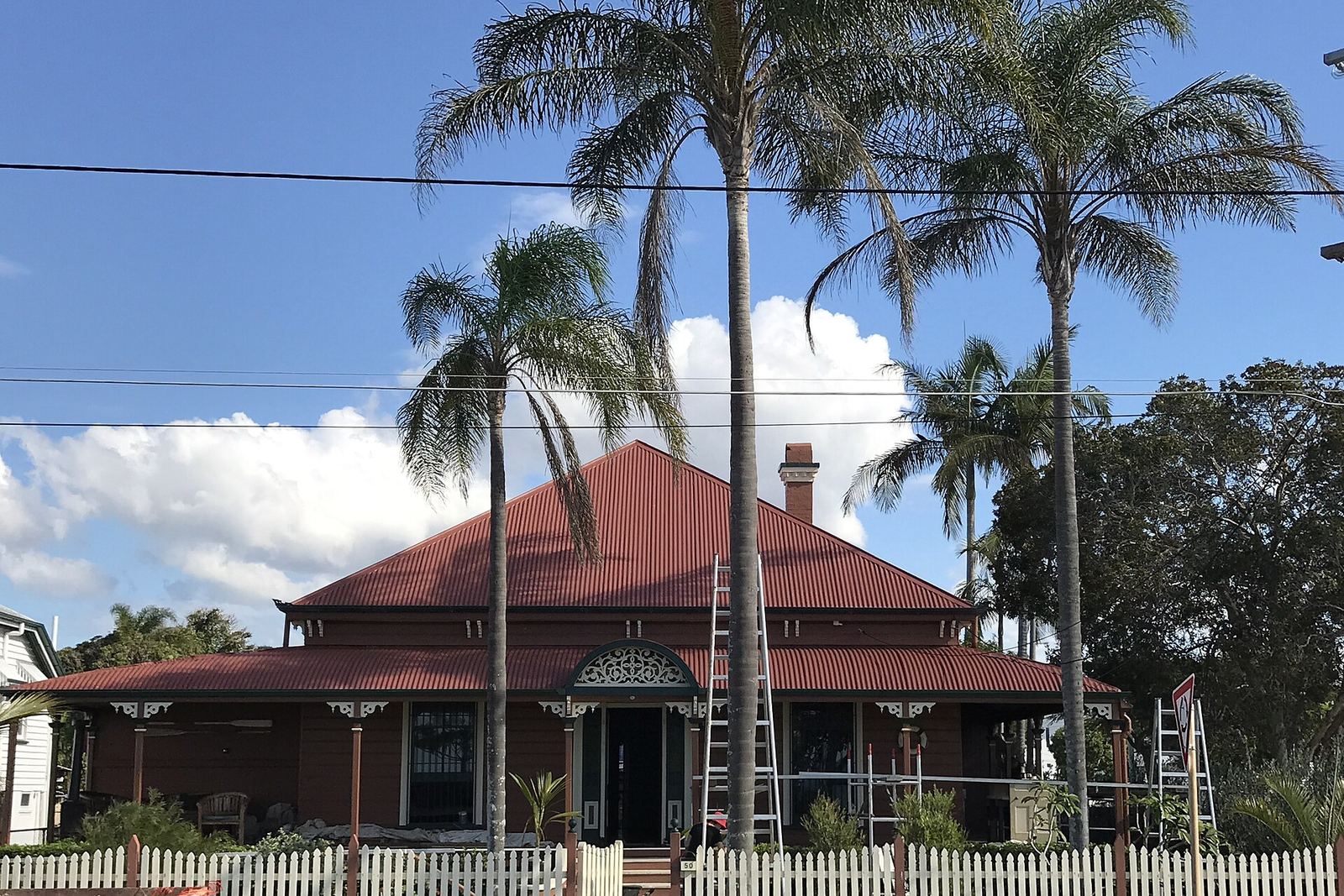
Tropical and cyclone climates
Comfort starts with shade, rain and a route for air. Where cyclones or hurricanes occur, the structure has to be designed for that too, not added later as an afterthought.
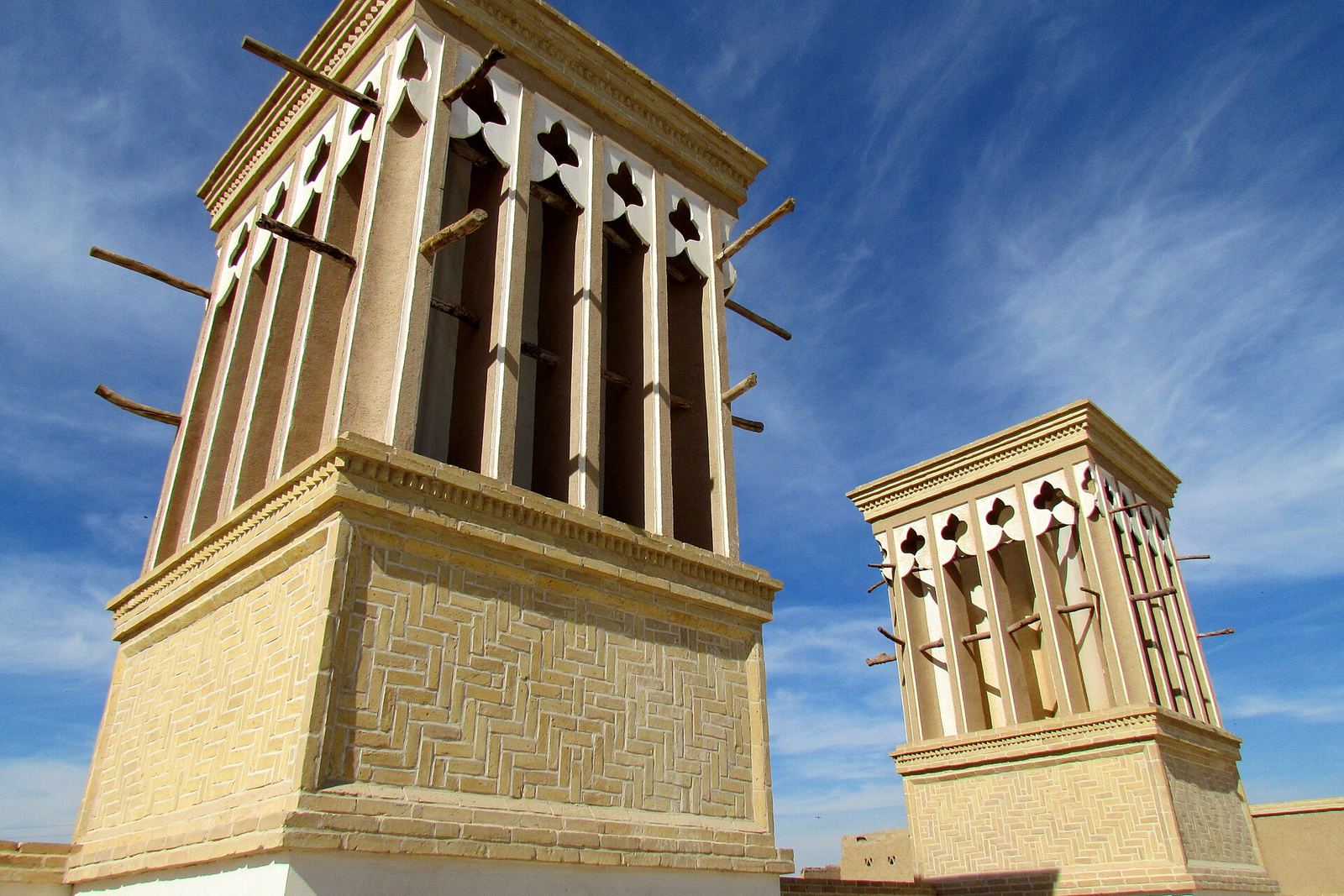
Hot, dry climates
Harsh sun and cool nights pull a house in two directions. Start with shade and how the building stores heat, not with a glass wall that faces the afternoon.
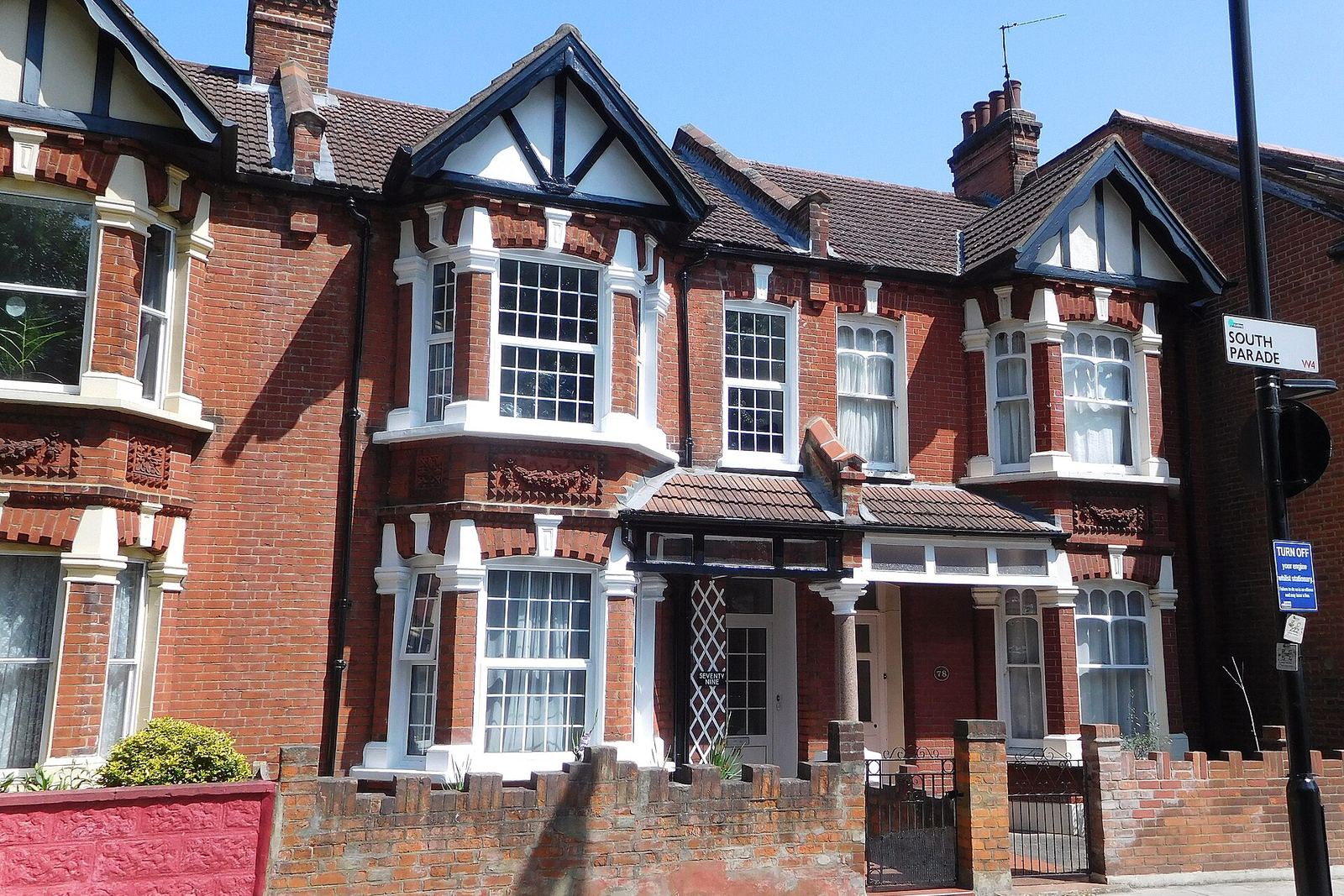
Temperate climates
A temperate house usually needs a little heating, a little cooling and a serious plan for rain. The risk is to design for one pleasant season and fight the other three.
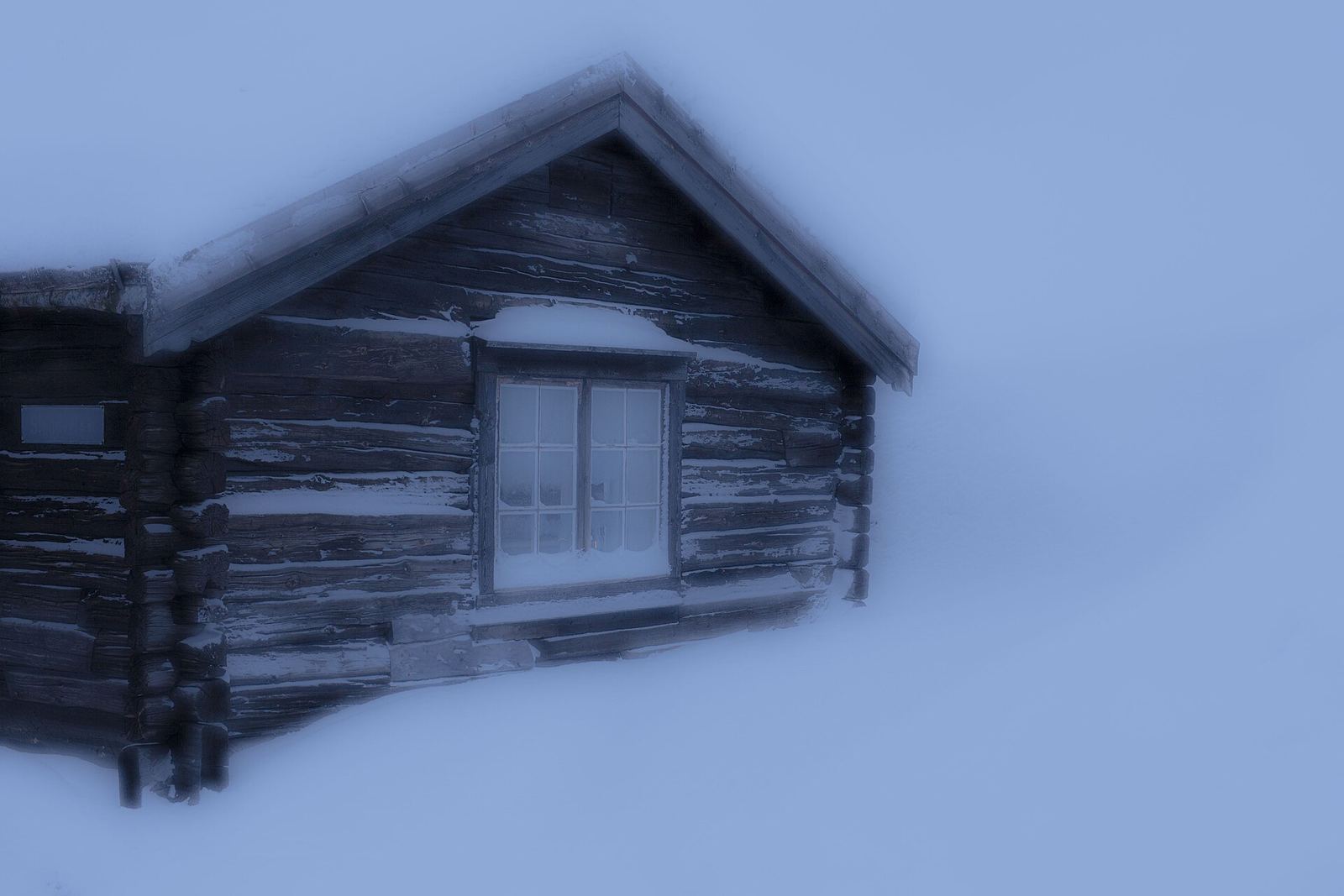
Cold climates
In a cold climate, the envelope, the heating and the way moisture is managed have to work together. Snow and ice add structural questions that a pretty winter photograph will not answer.
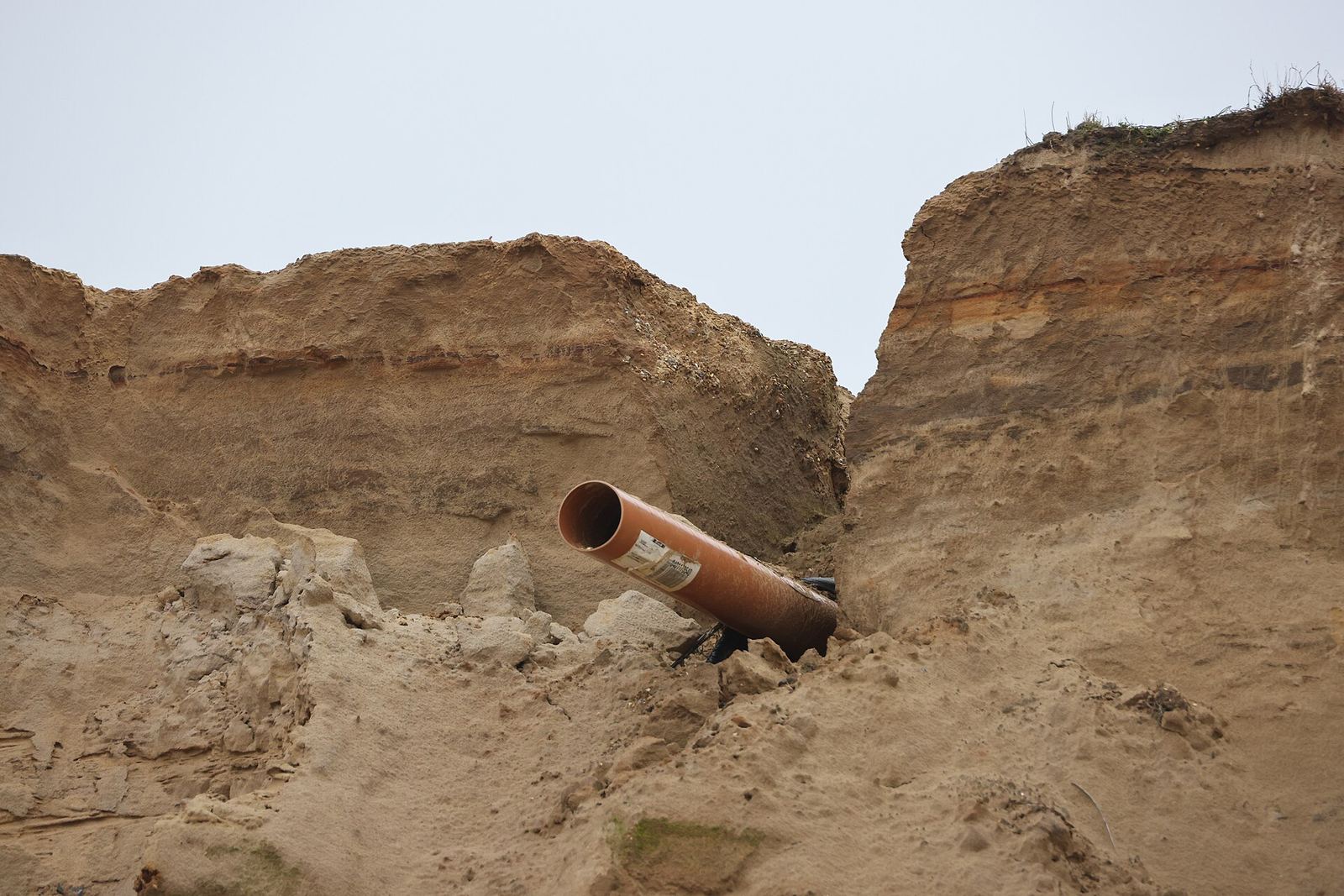
Coastal sites
Wind, salt and, on many shores, a moving coastline are part of the brief. A planning setback, where it exists, is only one of the questions to ask.