Keep the heat in.
Keep the water out.
In a cold climate, the envelope, the heating and the way moisture is managed have to work together. Snow and ice add structural questions that a pretty winter photograph will not answer.
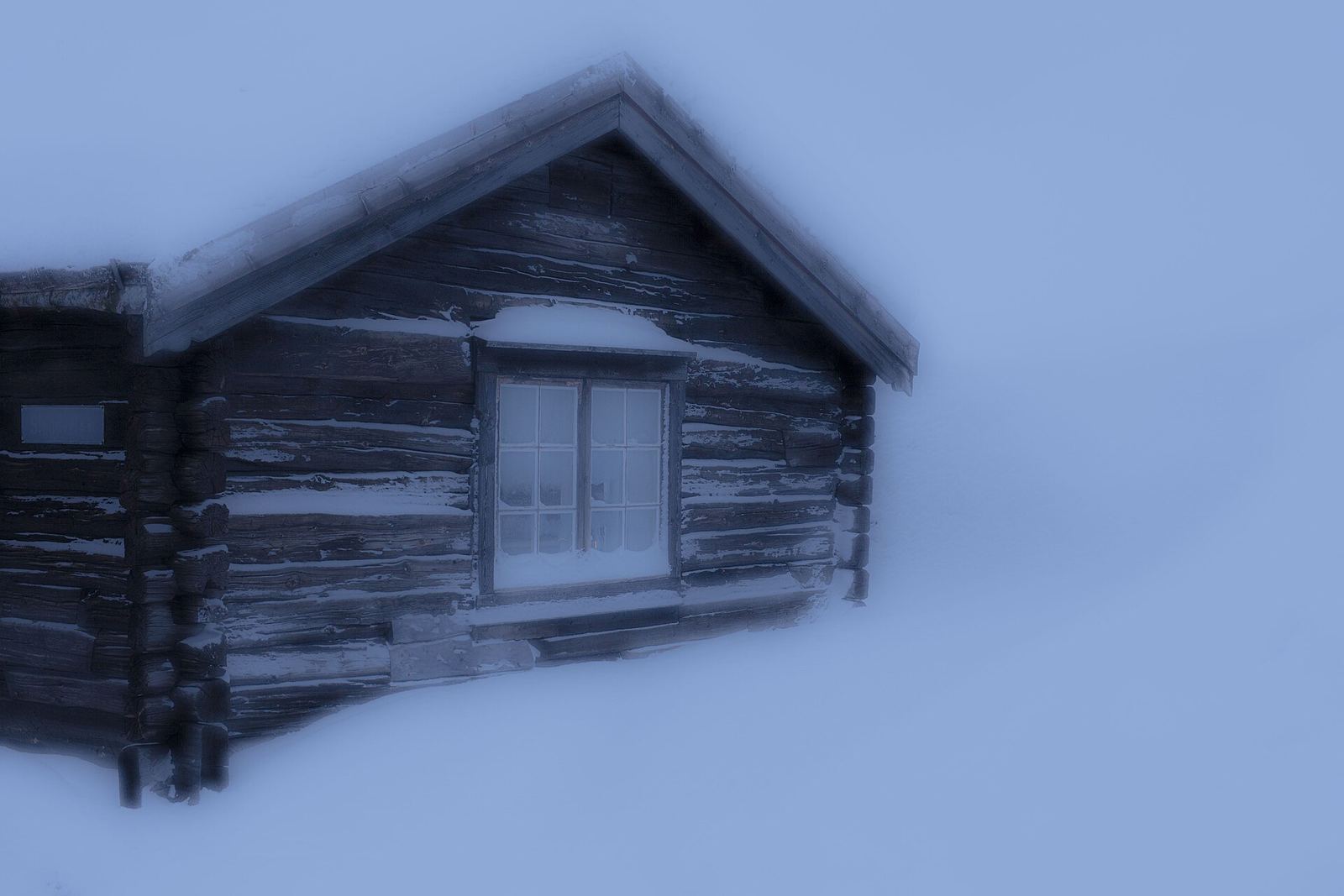
Photograph: Simon Radchenko · CC BY 4.0. Source and licence.

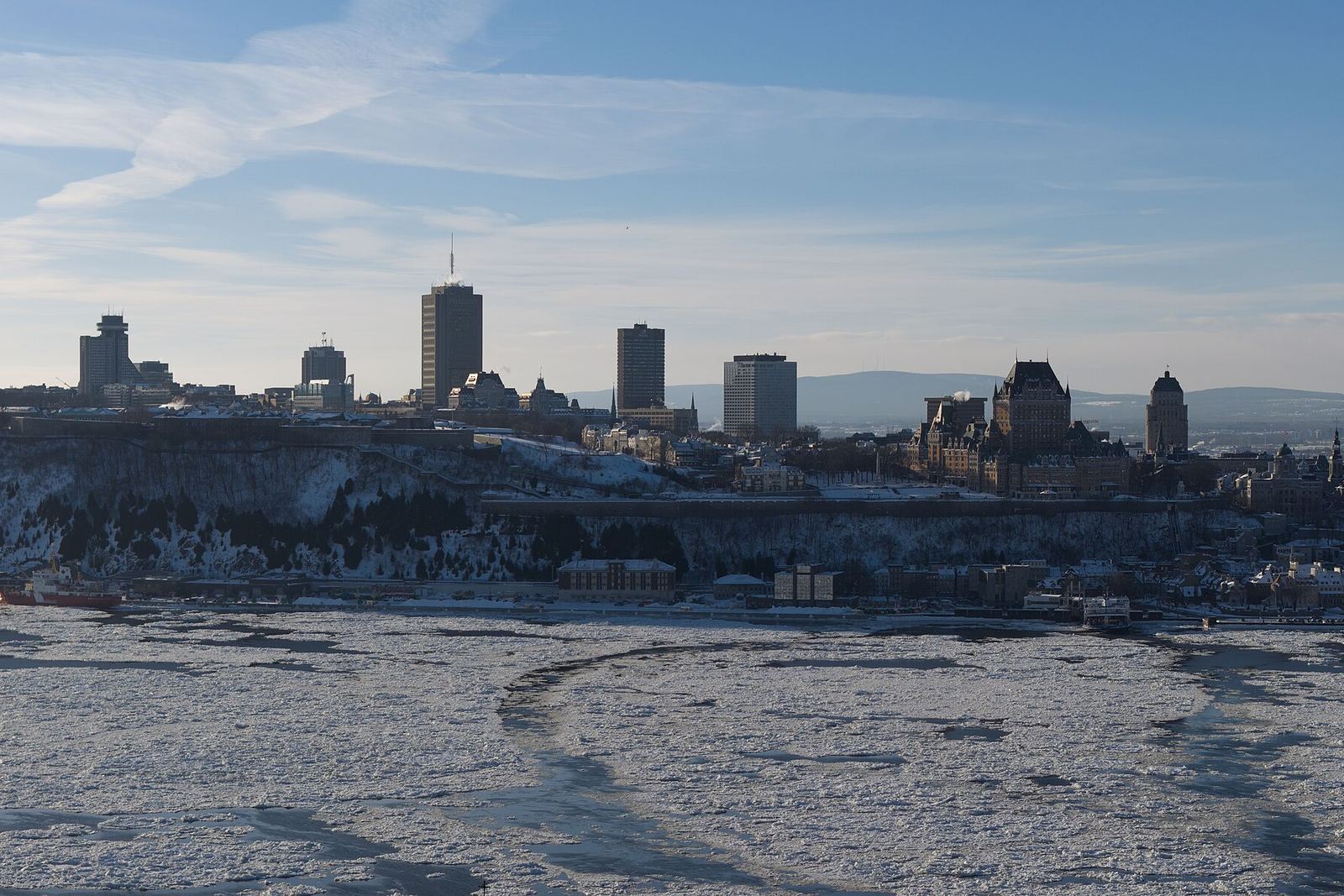
Photograph: Quintin Soloviev · CC BY 4.0. Source and licence.


Photograph: Tracey Nicholls, CSIRO · CC BY 3.0. Source and licence.

The winter photographs of Røros in Norway and of Quebec City show occupied streets in snow. They are places, not product endorsements. The questions they prompt are general: how is the roof designed for snow load, how is meltwater handled, how is heat retained, and how is moist indoor air prevented from wetting the structure?
A tighter house usually needs planned ventilation. Insulation that is incomplete, wet or on the wrong side of an air-control layer can cause trouble that only appears later. These are professional design and inspection issues. Foundation design may also be affected by frost, which is a site-specific matter.
The roofing field note in the Mauritius section is about cyclone weather. For snow and ice, ask a professional who practises in a cold climate; do not transfer a tropical roof detail northwards.
Guides to open next
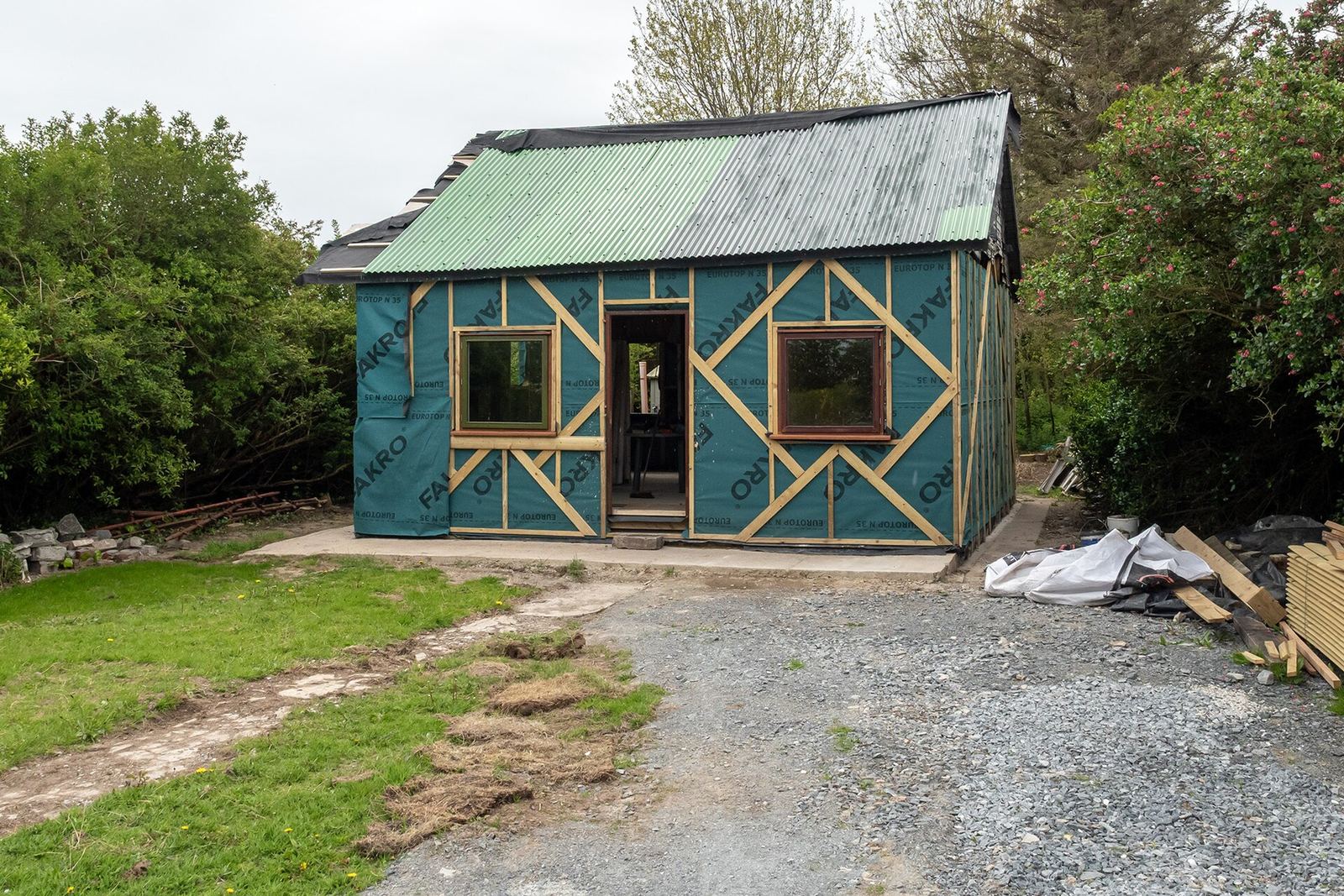 Build carefullyBefore you open an old wall, find out what is in it.Renovation budgets usually break in the first week of demolition. Old paint, old wiring and old damp are cheaper to find with a survey than with a…
 Design for climateCut the energy bill on the drawings, before you buy a single solar panel.Solar panels, batteries and heat pumps are all sized against how much energy the house needs. That number is set much earlier, by the plan, the…
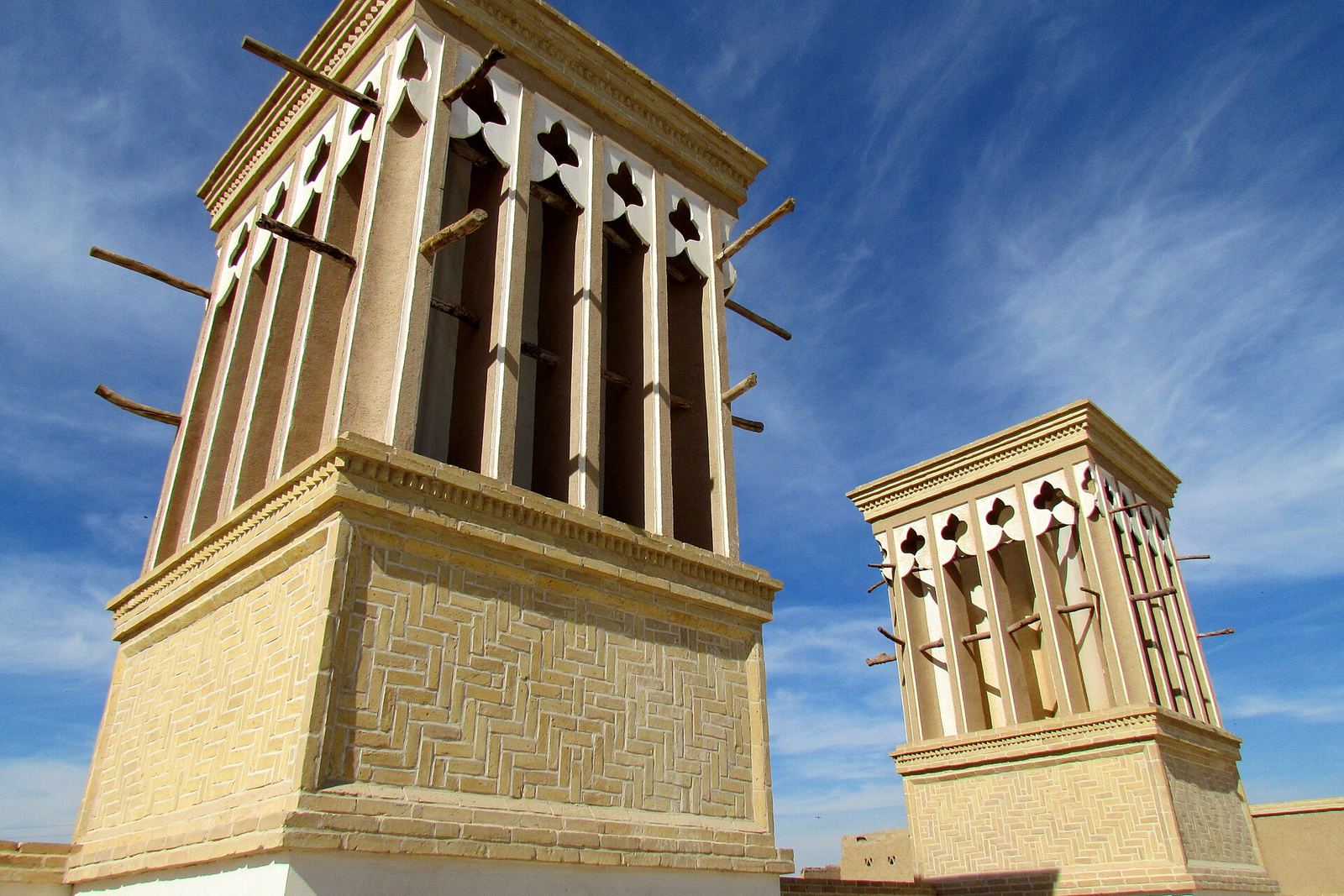 Design for climateDesign for this climate, not a borrowed photograph.A house designed for a photograph from somewhere else often fails in this climate. Start with the heat, the rain, the wind and the sun on this plot.
- Design for climateThe insulation that warms a cold house can trap moisture in a humid one.The wall that keeps a cold house warm can trap moisture in a humid one. Ask how heat, air and moisture are meant to move, and where they must not.
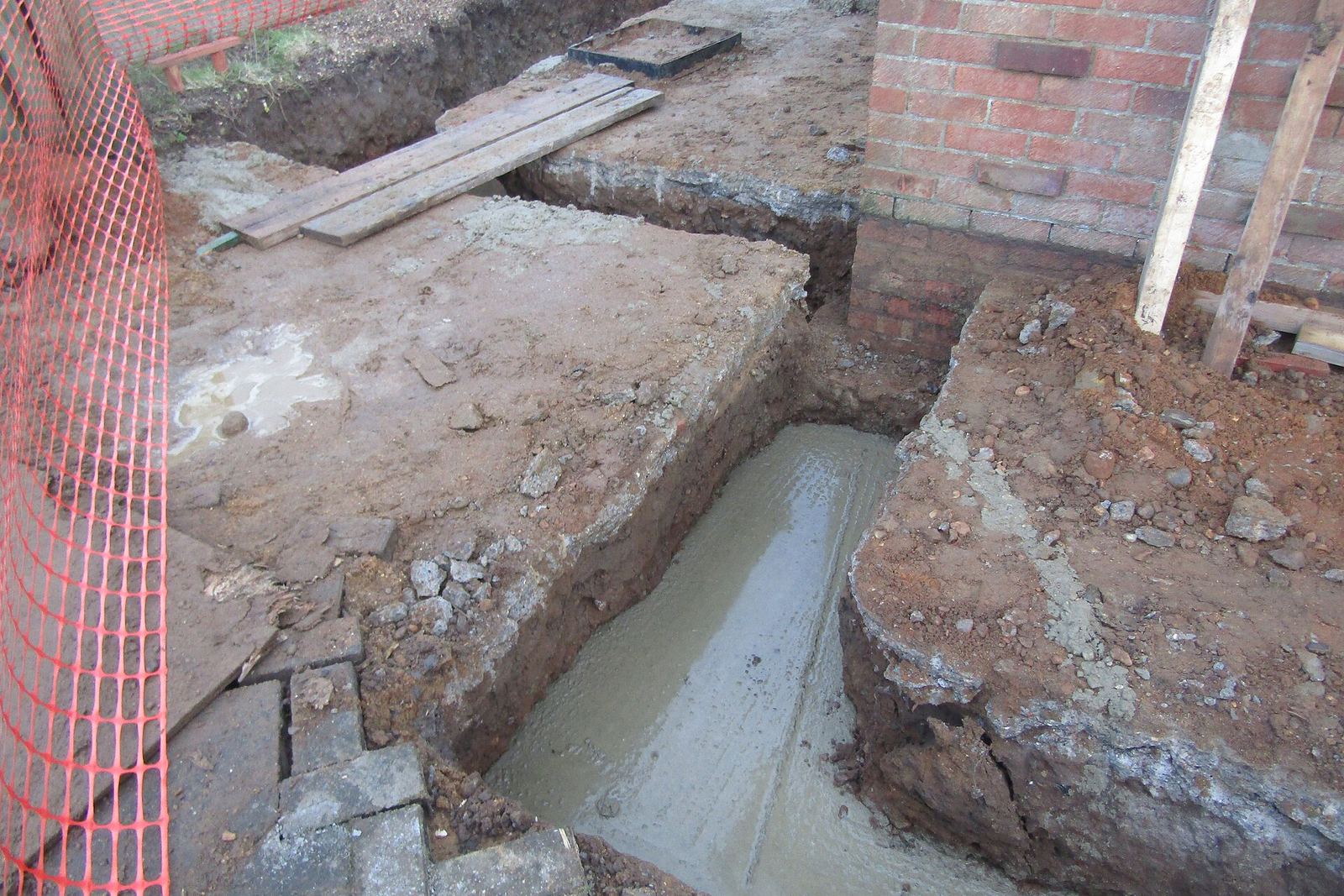 Build carefullyThe foundation has to match the ground.Clay, sand, rock, peat and filled ground do not carry a house in the same way. A foundation that works on one plot can be the wrong choice a…
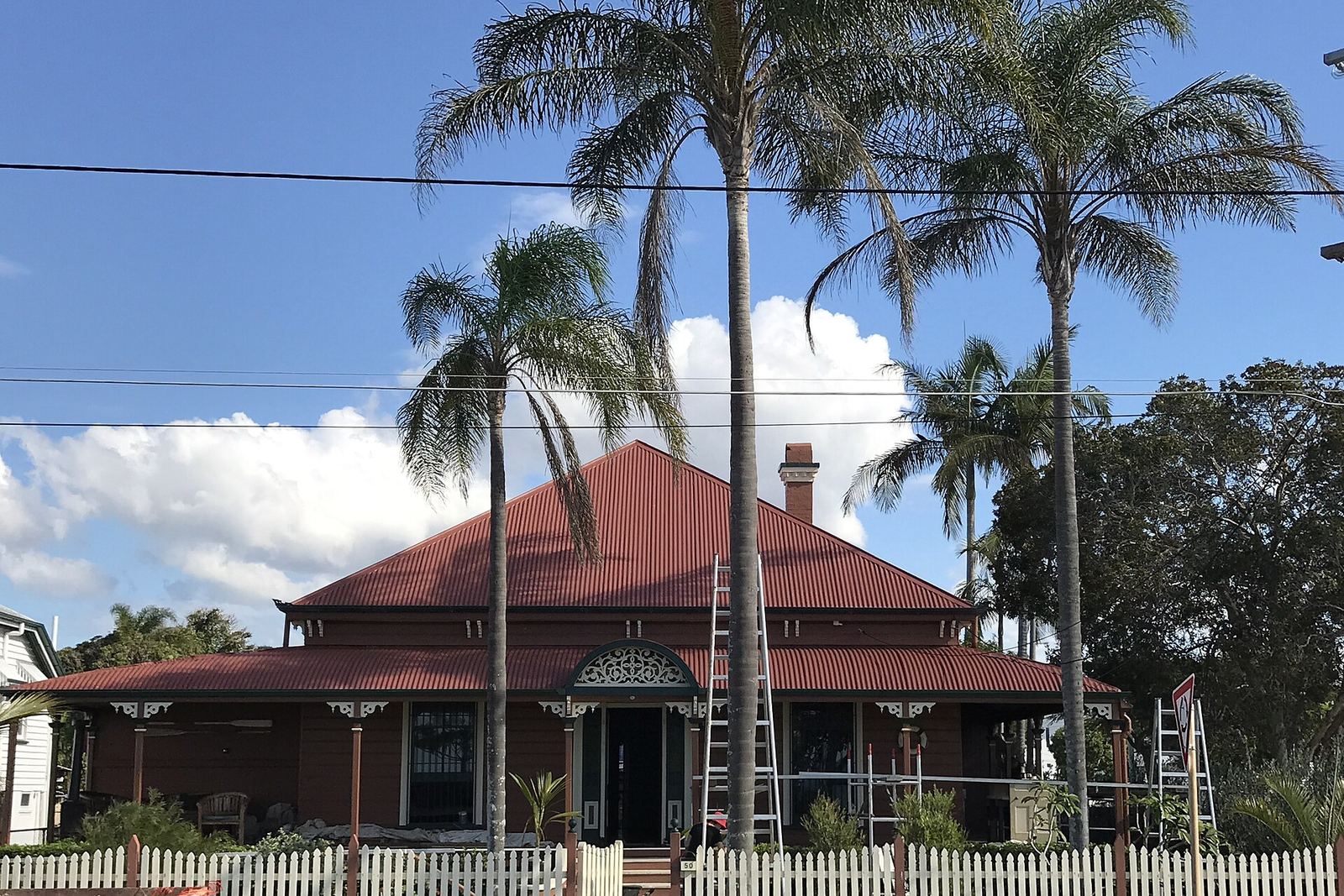 Design for the islandThe roof is where many cyclone questions meet.The covering, the shape, the fixings, the eaves and anything added later belong in one conversation with a structural professional. A…
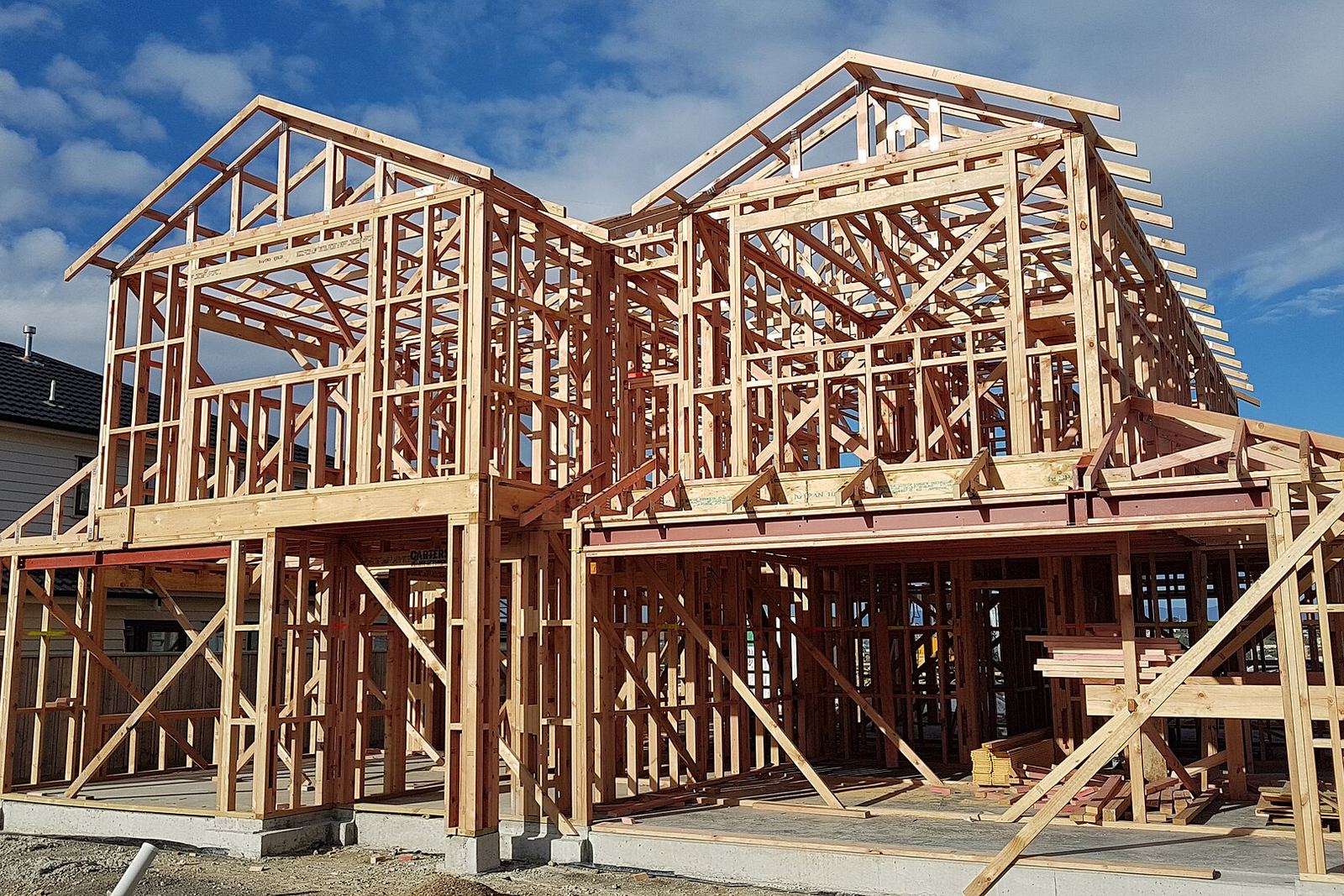 Plan wellThe quote is not the budget. Find the soft numbers before you sign.Most building contracts hide a few figures that are guesses: allowances for taps and tiles, a sum for digging, a price that moves when the plans…
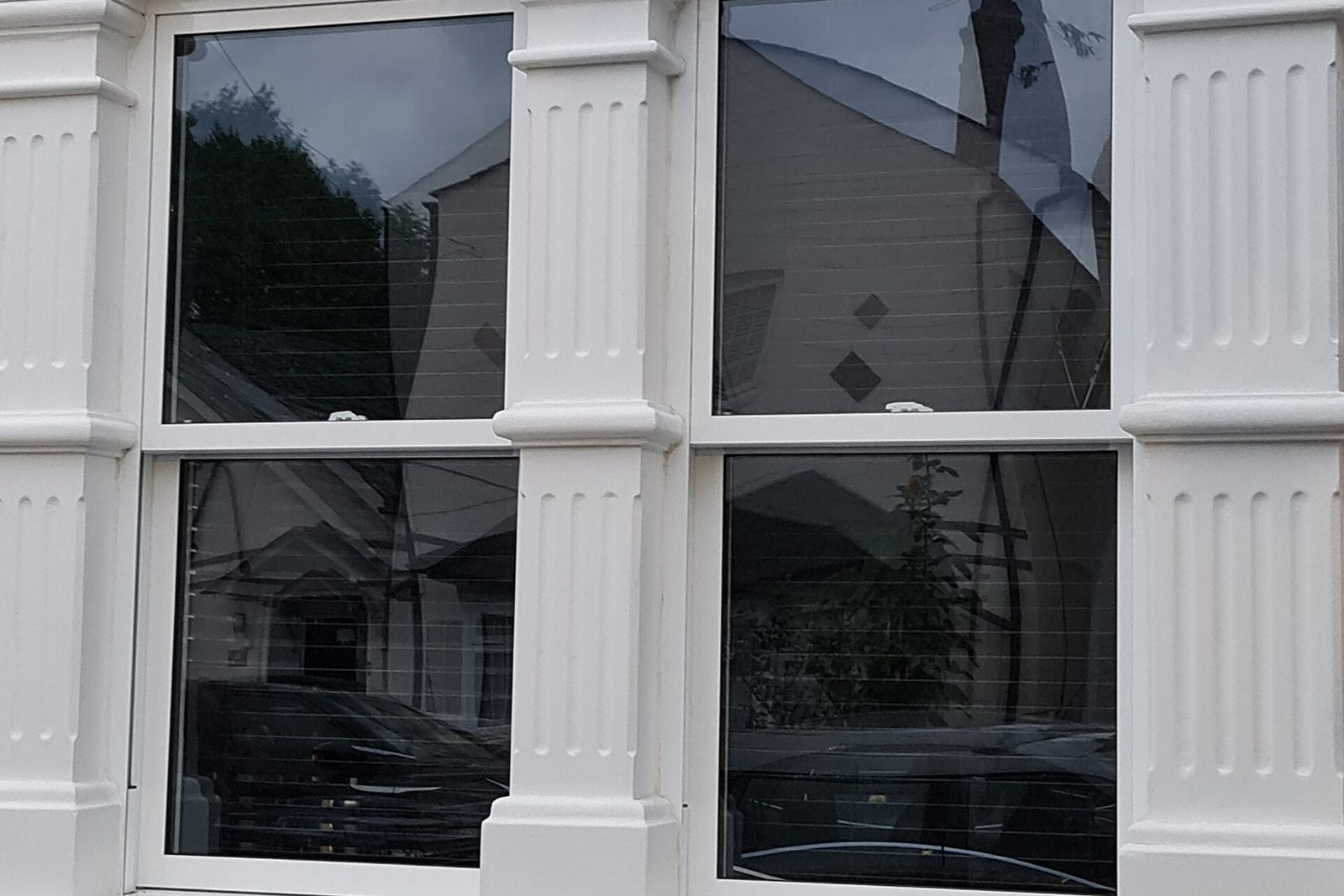 Design for climateBefore you choose a window, read its label. Two numbers do most of the work.Frame colour and style are the easy decisions. How much heat a window leaks, how much sun it lets in and how well it is fitted decide whether a…
Sources & scope
Sources reviewed 10 November 2026. International guidance is labelled and used for general principles only. It is not a local building code or a specification for your site.
- Your Home · Insulation (Australia)
- Your Home · Condensation (Australia)
- US Energy Saver · Consumer guide to home insulation (PDF)