

Ask what the insulation is for, in this climate
Insulation slows heat flow. Whether you mainly need to keep heat in, keep heat out, or do different things in different seasons, should be stated in the brief. Your Home guidance on insulation, written for Australia, discusses how the type, location and installation of insulation affect comfort. US Energy Saver guidance covers similar ground for another climate context. Both are labelled here as foreign public guidance, not as the rule for your site.
More insulation is not automatically better if it is the wrong type, in the wrong place, or badly installed. Gaps, compression and moisture can undo a neat section on a drawing.
Insulation only works as part of a climate brief. Start with the climate you actually have, and do not separate it from moisture and water.
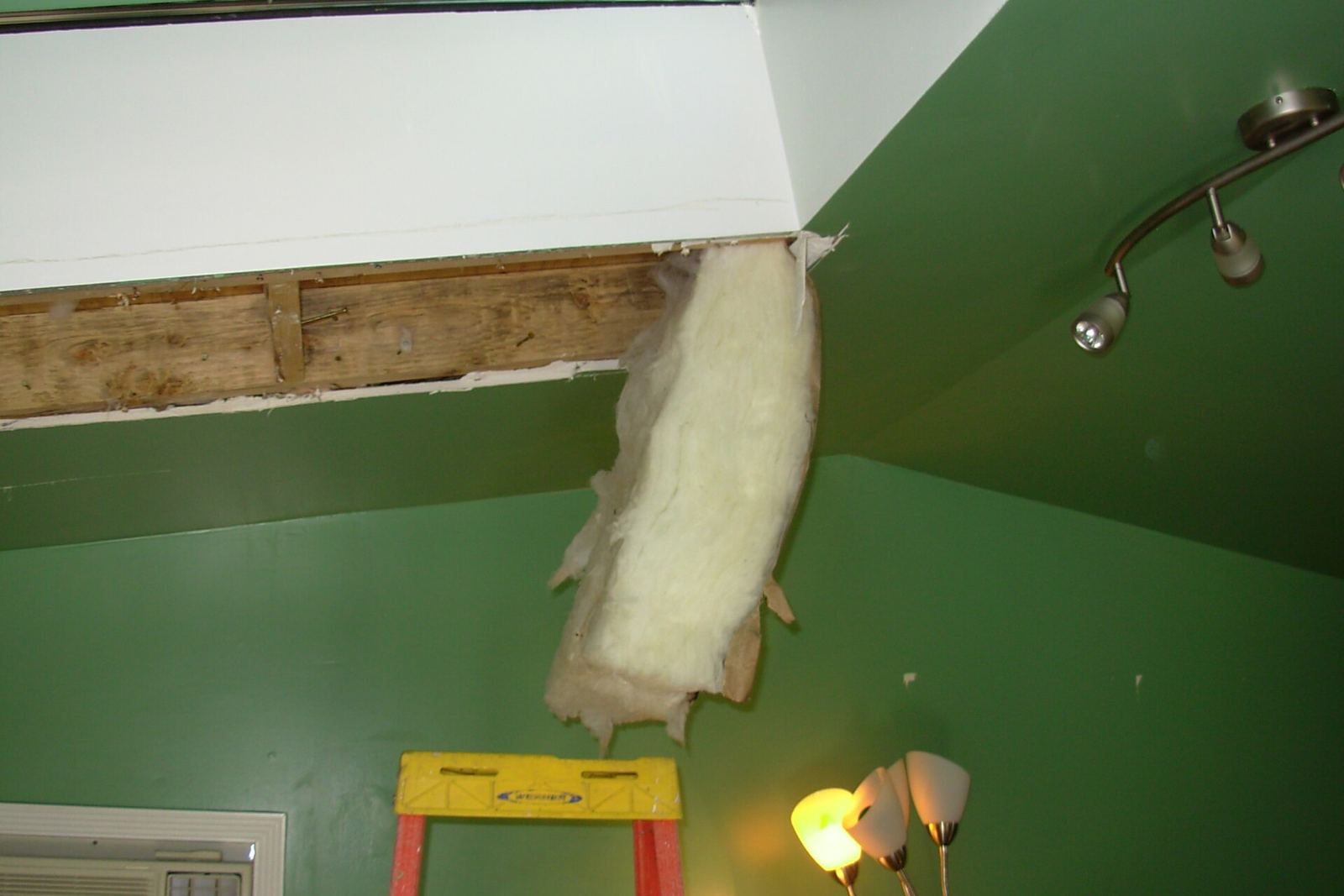
Photograph: DanielleLevi · CC BY-SA 3.0. Source and licence.

Do not separate insulation from air and moisture
In cold and many temperate climates, a tighter building envelope often goes with planned ventilation, so that stale or moist air is removed without relying on accidental draughts. If moist indoor air reaches a cold surface, condensation can wet the structure. Ask how the design avoids that, and who will check the work.
In a hot, humid climate, the bigger everyday problem may be keeping sun and humid air out, and managing moisture when air conditioning runs with the windows closed. A wall detail copied from a cold country can trap moisture where it did not before. In a hot, dry climate, night ventilation and mass may do more work than a thick quilt of insulation in every wall — but only if that is the professional conclusion for the site.
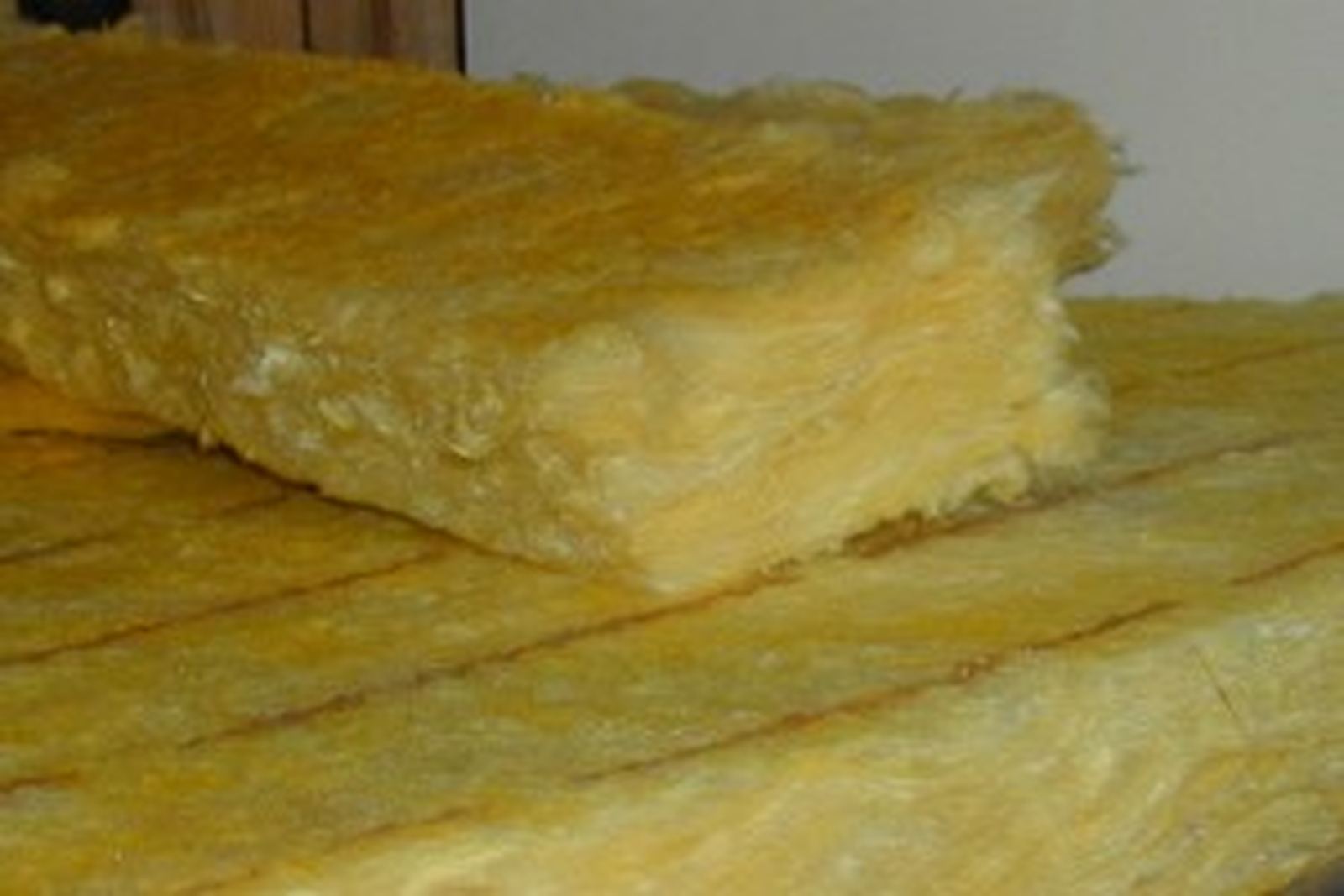
Photograph: Radomil · CC BY-SA 3.0. Source and licence.

Plan ventilation as a system, not a row of windows
Ask how fresh air will be provided in each season: opening windows, mechanical ventilation, or a combination, with attention to privacy, security, insects, noise and outdoor air quality. A window on a plan is not proof of a breeze, and a fan is not a complete strategy for dangerous heat or for very cold weather.
Wet rooms, kitchens and clothes drying produce moisture that has to go somewhere. Ask where it goes when the house is shut.
Have the installation checked before it is covered
Insulation and air-control layers often disappear behind linings. Agree what will be inspected, and record it. Do not assume that a product name on a box describes the finished work.
Rules for energy performance, ventilation and condensation differ widely. Confirm the current local requirements with your professional team and the relevant authority.
Do
- State whether you are mainly keeping heat in, keeping heat out, or both.
- Discuss insulation, airtightness, ventilation and moisture together.
- Inspect insulation and air-control layers before they are covered.
Avoid
- Copy a cold-climate wall into a humid climate without analysis.
- Treat a window opening as a complete ventilation design.
- Assume a thicker product always performs better.
Sources & scope
Sources reviewed 10 November 2026. Linked international guidance supports general principles only; it is not a local building code or a specification for your site.
- Your Home · Insulation (Australia)
- Your Home · Condensation (Australia)
- US Energy Saver · Consumer guide to home insulation (PDF)
Written by 3dspace.mu Editorial. This article is general educational material, not professional review or advice for your site. No claim of architect or engineer authorship is made.
Read next
 Build carefullyThe foundation has to match the ground.Clay, sand, rock, peat and filled ground do not carry a house in the same way. A foundation that works on one plot can be the wrong choice a…
 Design for climateDesign for this climate, not a borrowed photograph.A house designed for a photograph from somewhere else often fails in this climate. Start with the heat, the rain, the wind and the sun on this plot.
 Plan wellFind out who must say yes, then keep that paper.Someone has to say yes before work starts. The authority and the form change from place to place; the need to get the current rules in writing…