
Write a climate brief before you fall for a picture
A glass house that feels pleasant in a mild summer can be miserable in a humid one. A thick-walled courtyard house that works in a hot, dry place may not suit a cold, grey winter. Before you ask a designer to match a photograph, ask for a short climate brief: the seasons you actually live through, the sun path on this site, the wind, the rain, and whether you need heating, cooling, or both.
Australian government Your Home guidance on passive design is a clear introduction to these principles. It is written for Australia and is not a building code for other countries. Use it to shape questions, then have a local professional apply them to your site.
Once the climate brief is clear, the usual next questions are about insulation and air, and whether the foundation matches this ground.
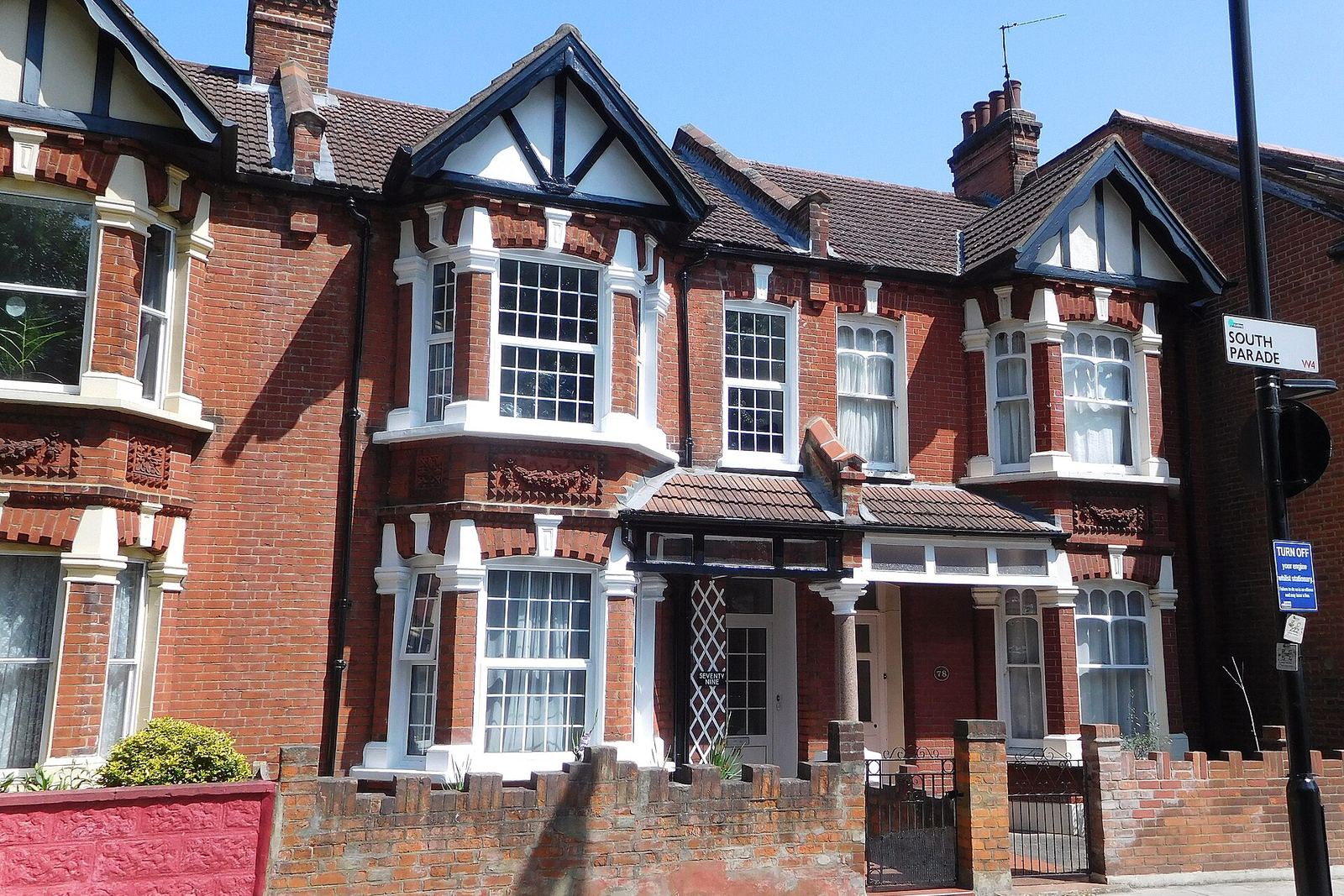
Photograph: Alexander Cahlenstein · CC BY 2.0. Source and licence.

Different climates reward different habits
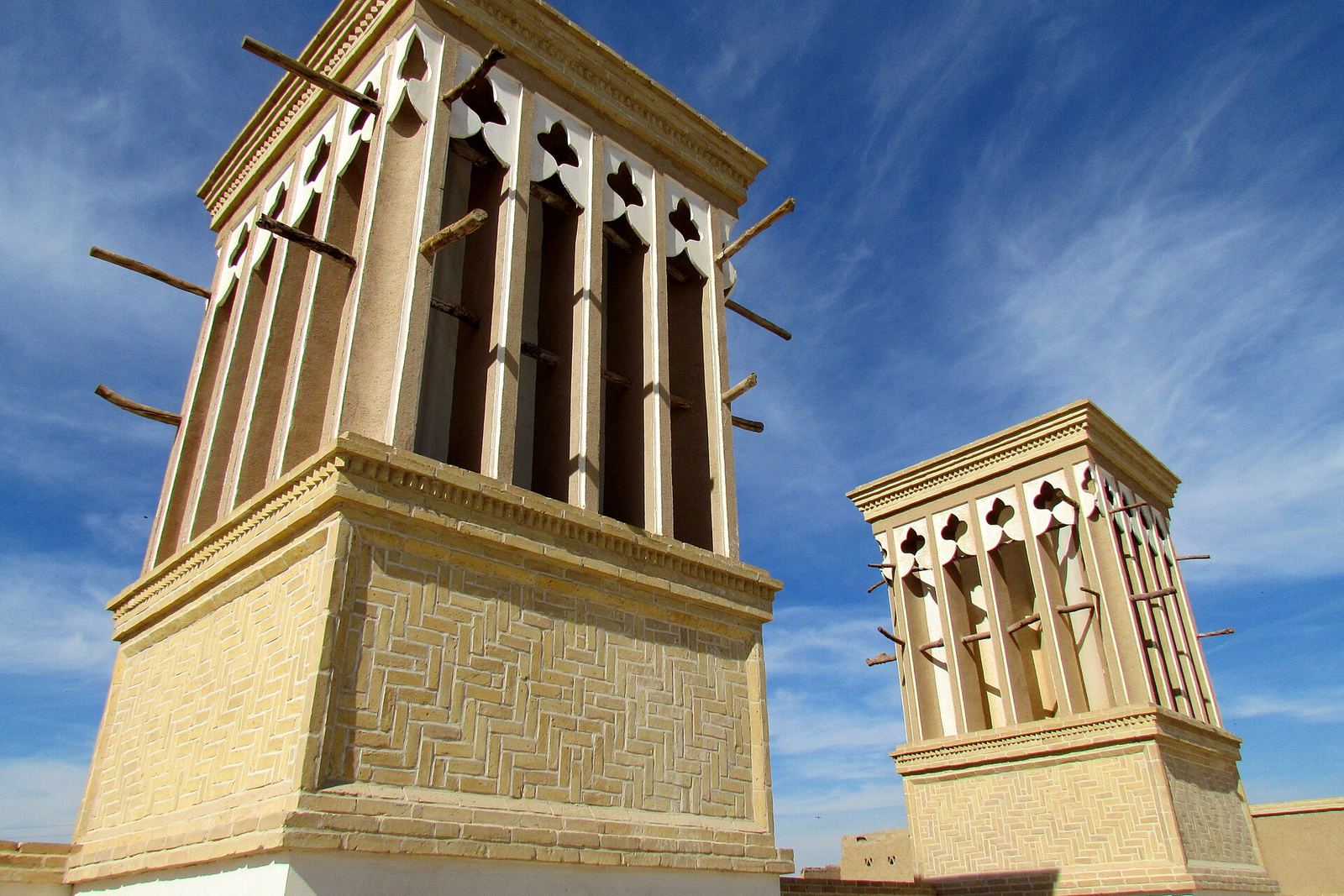
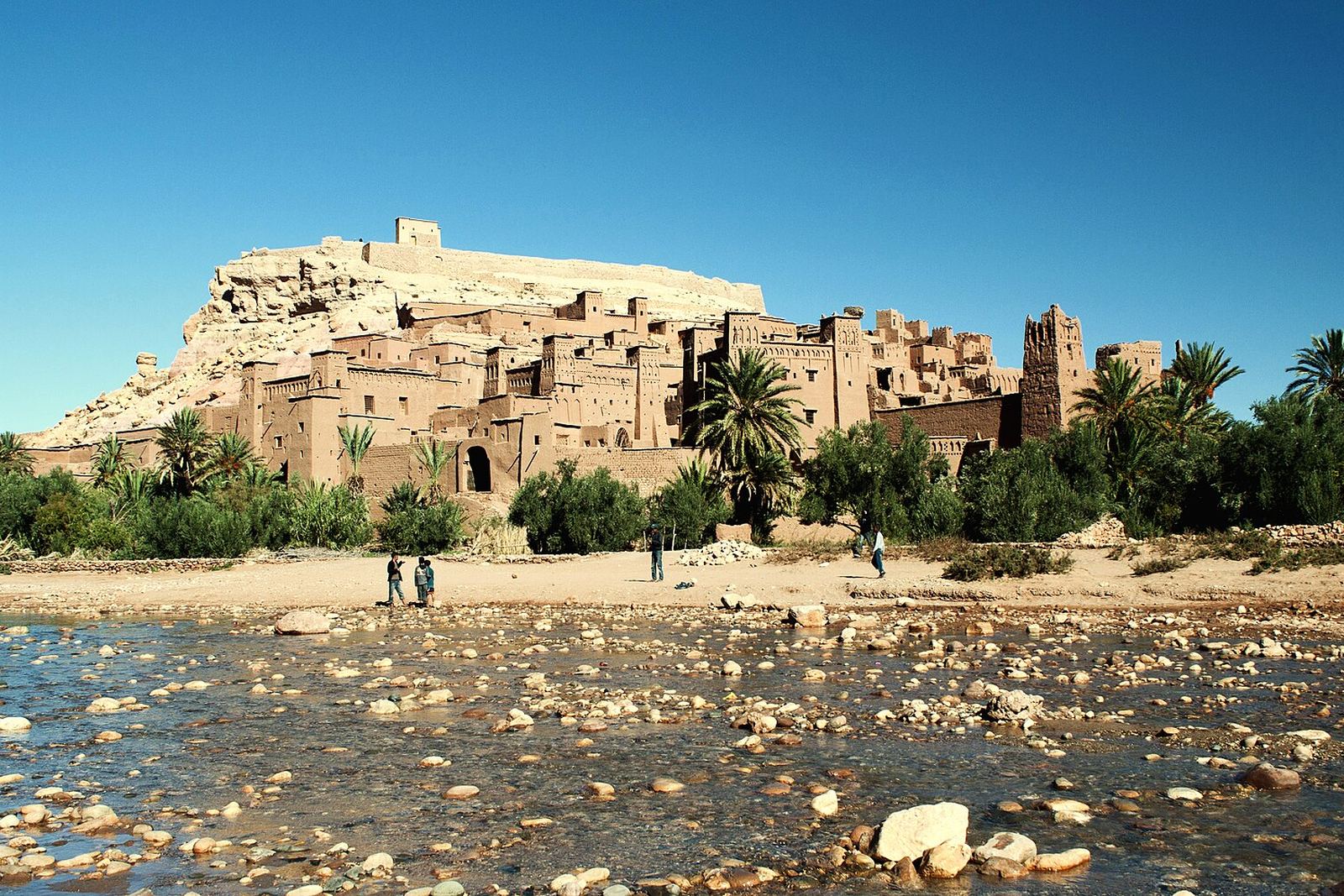
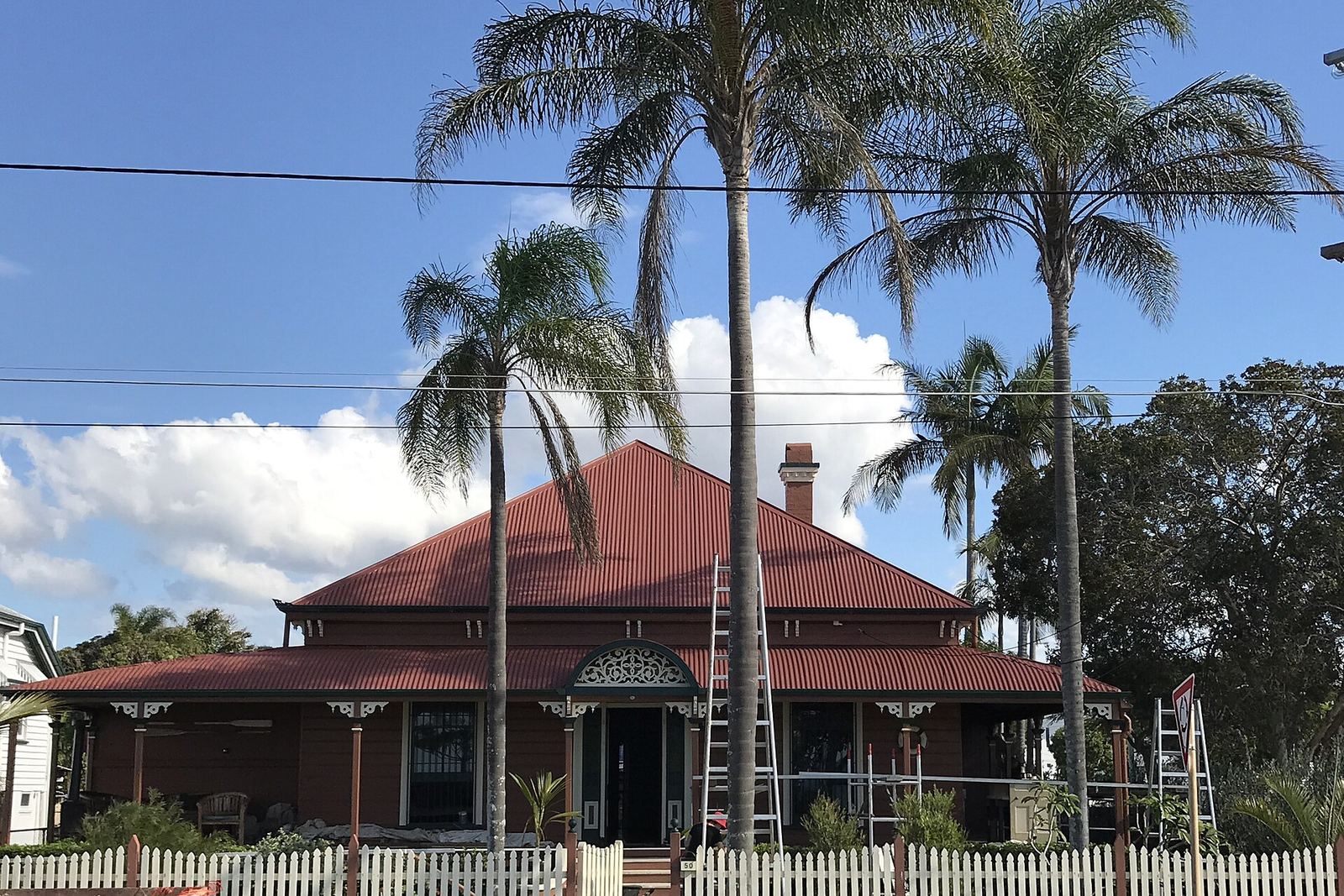
In a hot, humid or tropical climate, keeping sun off the building and giving air a route through occupied rooms often matters more than storing heat in heavy walls. In a hot, dry climate, shade, thermal mass and night-time ventilation are a common historic pattern — as in the windcatchers of Yazd, which are shown here as vernacular examples, not as a kit to copy. In a cold climate, keeping heat in, and controlling draughts and moisture, usually comes first. Temperate places often have to do a little of each, as the seasons change.
Coastal, mountain and urban sites can modify all of the above. A windy headland is not the same as a sheltered valley a few kilometres inland.
Photograph: Kgbo · CC BY-SA 4.0. Source and licence.

Look at ordinary days, not only the extreme ones
Ask how the house will be used on a still, hot afternoon, a wet week, a frozen morning or a night when opening the windows is not realistic because of noise, security or insects. Where does the sun enter in the season you most need it, and where must it be excluded? How will you dry laundry? Which rooms can remain private if windows are open?
Mechanical heating and cooling are part of many modern houses. They work better, and often use less energy, when the building itself is not fighting the climate. They also change how moisture behaves when windows stay closed. That belongs in the same conversation.
Keep local rules in view
Climate-sensible ideas still have to satisfy planning and building rules, including height, appearance, fire, structure and energy standards where they exist. A deep veranda, an earth wall or a large area of glass may be encouraged in one place and restricted in another.
This journal’s climate notes, and the Mauritius section, take the next step for particular conditions. None of them replaces a site-specific design.
Do
- Write a climate brief for the actual site and how you live.
- Ask how the design works on ordinary difficult days, not only in a render.
- Treat foreign guidance and vernacular examples as prompts, not as local rules.
Avoid
- Copy a house from another climate because it photographs well.
- Assume that more glass, or more insulation, is always the answer.
- Leave heating, cooling and moisture out of the early discussion.
Sources & scope
Sources reviewed 10 November 2026. Linked international guidance supports general principles only; it is not a local building code or a specification for your site.
- Your Home · Passive design (Australia)
- Your Home · Passive cooling (Australia)
- Your Home · Shading (Australia)
Written by 3dspace.mu Editorial. This article is general educational material, not professional review or advice for your site. No claim of architect or engineer authorship is made.
Read next
 Design for climateThe insulation that warms a cold house can trap moisture in a humid one.The wall that keeps a cold house warm can trap moisture in a humid one. Ask how heat, air and moisture are meant to move, and where they must not.
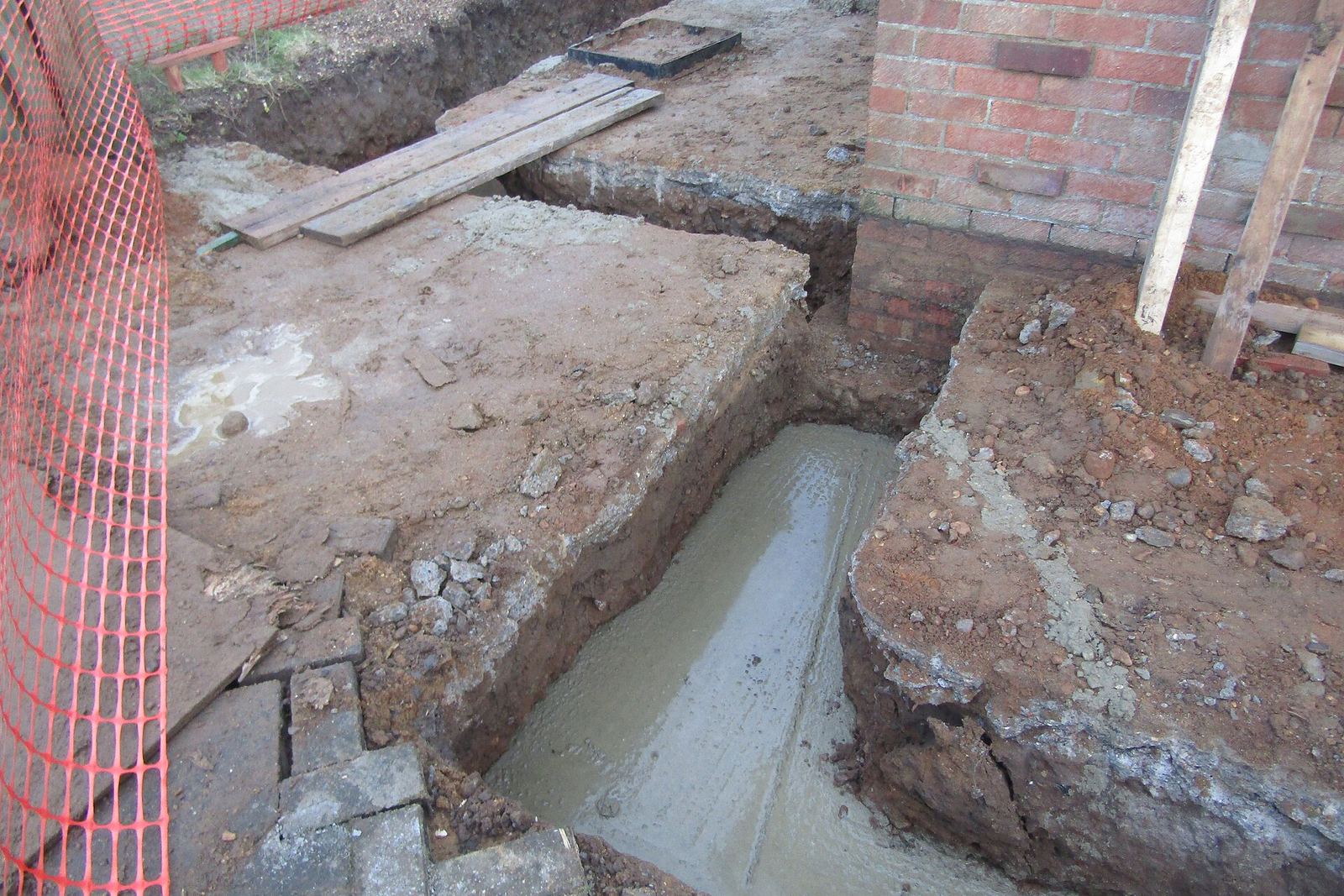 Build carefullyThe foundation has to match the ground.Clay, sand, rock, peat and filled ground do not carry a house in the same way. A foundation that works on one plot can be the wrong choice a…
 Plan wellFind out who must say yes, then keep that paper.Someone has to say yes before work starts. The authority and the form change from place to place; the need to get the current rules in writing…