
Separate a secure roof from a preparedness checklist
Mauritius NDRRMC guidance, ahead of the cyclone season, asks householders to check that the walls, roof and eaves of the home are secure and able to withstand cyclone gusts, and to deal with loose material that could blow about. That is preparedness advice for people who already have a house. It does not certify a new roof, and it is not a substitute for an engineered design.
For a new house or a reroofing, appoint a competent local structural professional. Ask them to explain the design basis for the site and how the roof is intended to work with the walls and foundations. This article gives no sheet thickness, screw schedule or wind rating.
A roof design has to include later equipment such as solar panels or tanks, and the wider wind questions a homeowner can still ask.
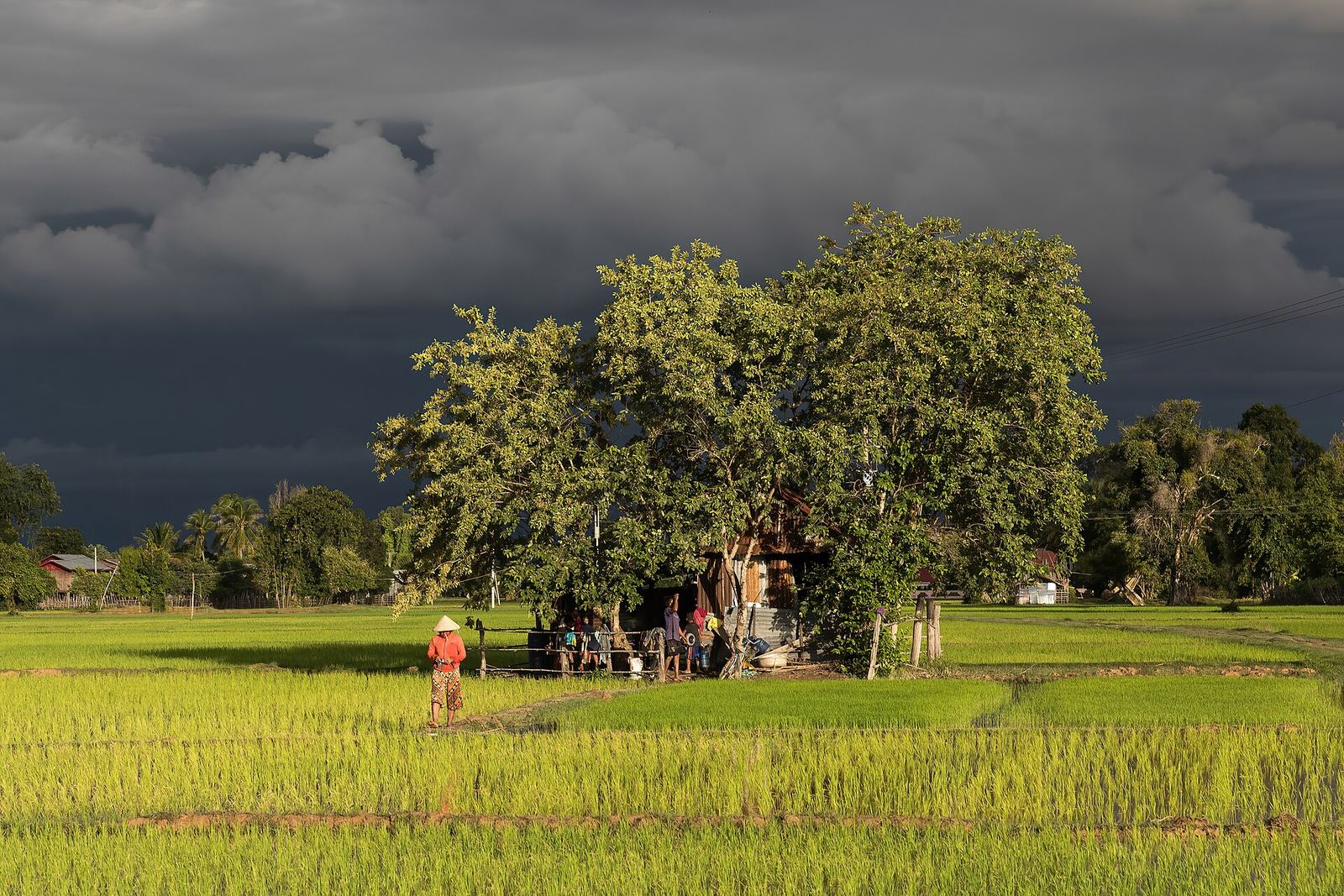
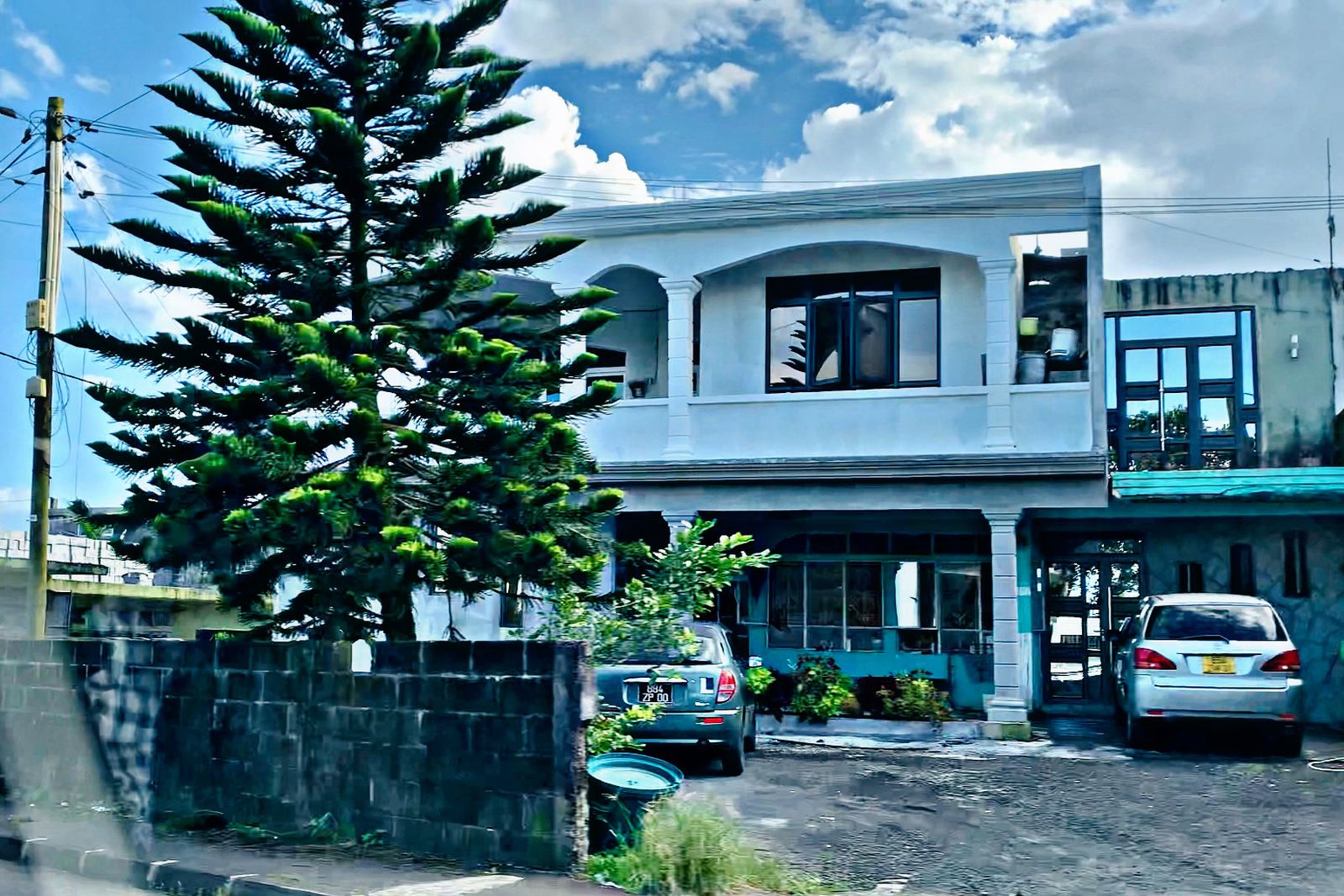
Photograph: Basile Morin · CC BY-SA 4.0. Source and licence.

Ask about the whole roof, not only the covering
The visible covering — metal sheet, tile or another product — is only one part of the system. Ask how the shape of the roof, the eaves, the ridges, the fixings, the structure beneath and the openings in the walls have been considered together. A change to an eave, a heavier covering, a wide overhang or a large unshuttered opening can affect more than appearance.
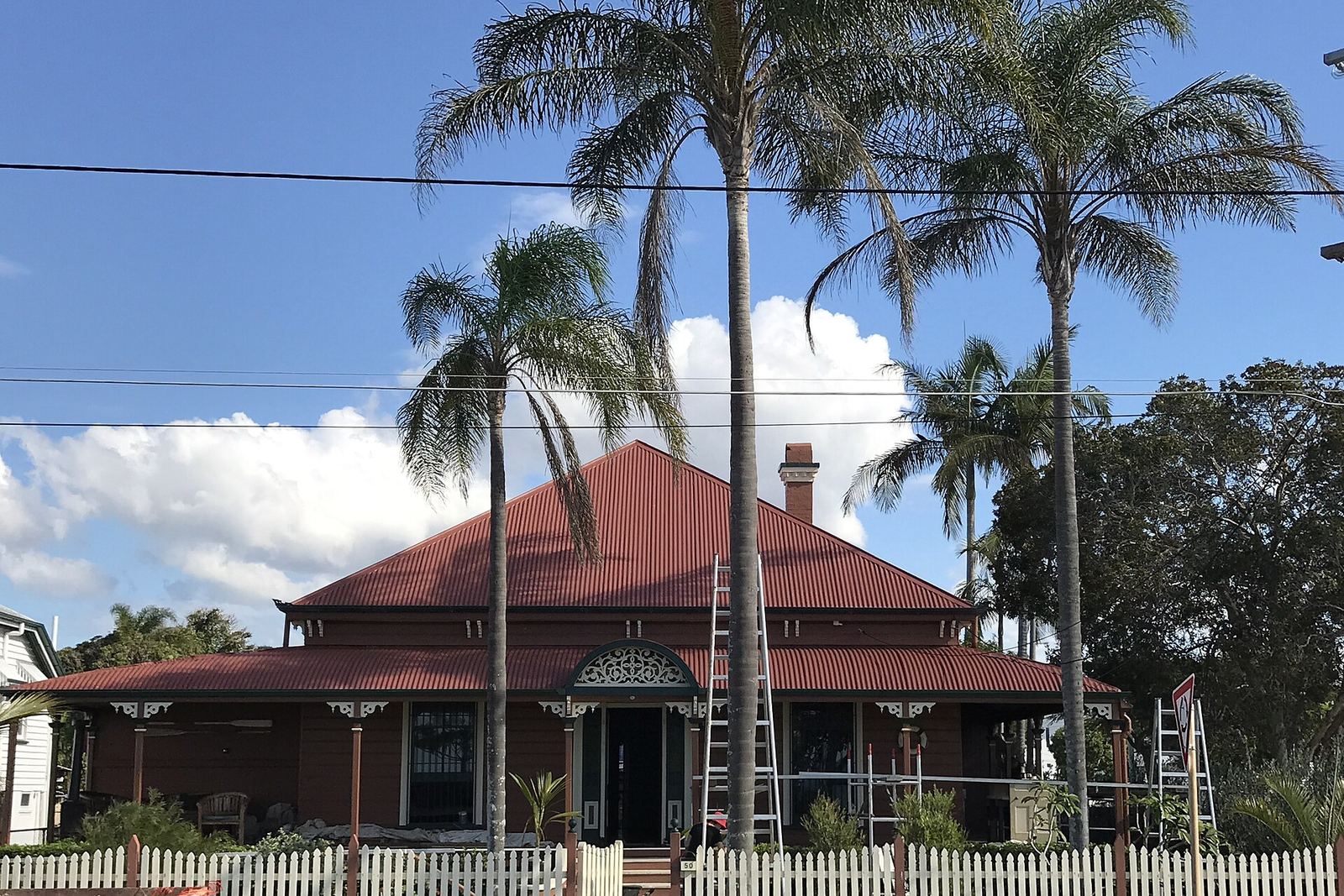
If a photograph of a corrugated roof in another country is being used as inspiration, treat it as a picture, not a detail. Climate, exposure and local practice differ.
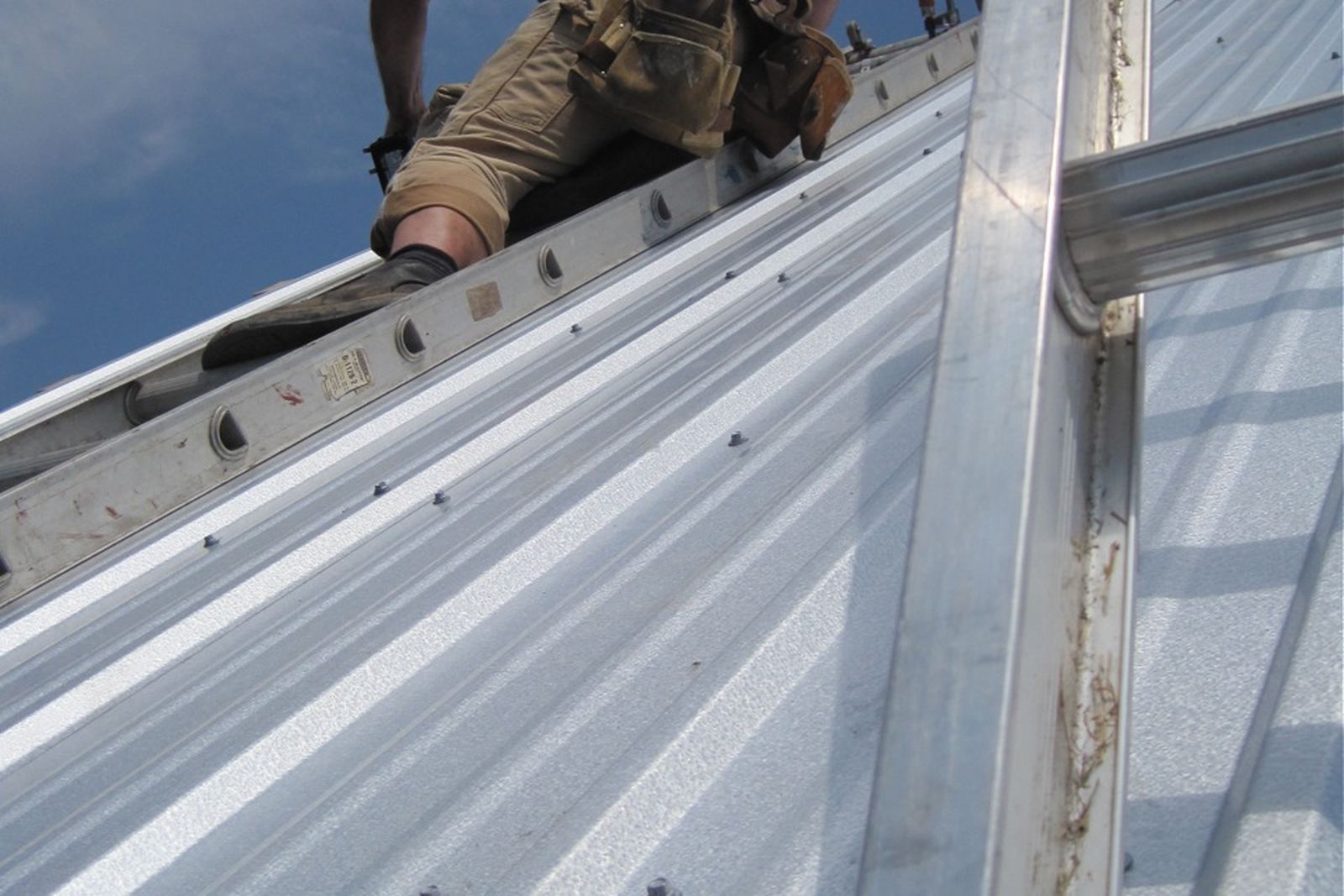
Photograph: ralmonline alm · CC BY 2.0. Source and licence.

Include the things that will be added later
Solar arrays, tanks, aerials, rooflights and access equipment all create penetrations and loads. Ask who designs their position and fixings, and how rainwater will be handled at those points. Obtain installer and manufacturer documents, and have the professional team confirm that the additions still sit within the design and any required approvals.
Treat labels such as “cyclone proof” as a starting point for questions: what was tested or certified, by whom, and for which conditions?
Plan inspection and maintenance in calm weather
Ask how a competent person can inspect fixings, flashings and gutters safely, and what maintenance is expected before each cyclone season. Do not climb onto a roof, clear high gutters or secure difficult items once severe weather is approaching or in force. Follow current official warnings and instructions.
After a storm, stay away from damaged structures, fallen lines and unstable trees until the situation has been assessed. A damaged roof is a professional and, where relevant, an emergency matter — not a weekend repair from a video.
Do
- Ask a local structural professional for the site-specific roof design basis.
- Review covering, structure, eaves, openings and later equipment together.
- Plan safe inspection and maintenance well before the cyclone season.
Avoid
- Copy a roof detail from a photograph or a product brochure.
- Accept “cyclone proof” without a defined basis.
- Attempt roof work during severe weather.
Sources & scope
Sources reviewed 10 November 2026. Official preparedness guidance is not a structural specification. International photographs in this note illustrate roof forms only.
Written by 3dspace.mu Editorial. This article is general educational material, not professional review or advice for your site. No claim of architect or engineer authorship is made.
Read next
 Plan wellThe high-water mark is not a decorative line.Setback, erosion and exposure are specific to this parcel, not to a beach you liked in a photograph. Confirm the current rules for this exact site.
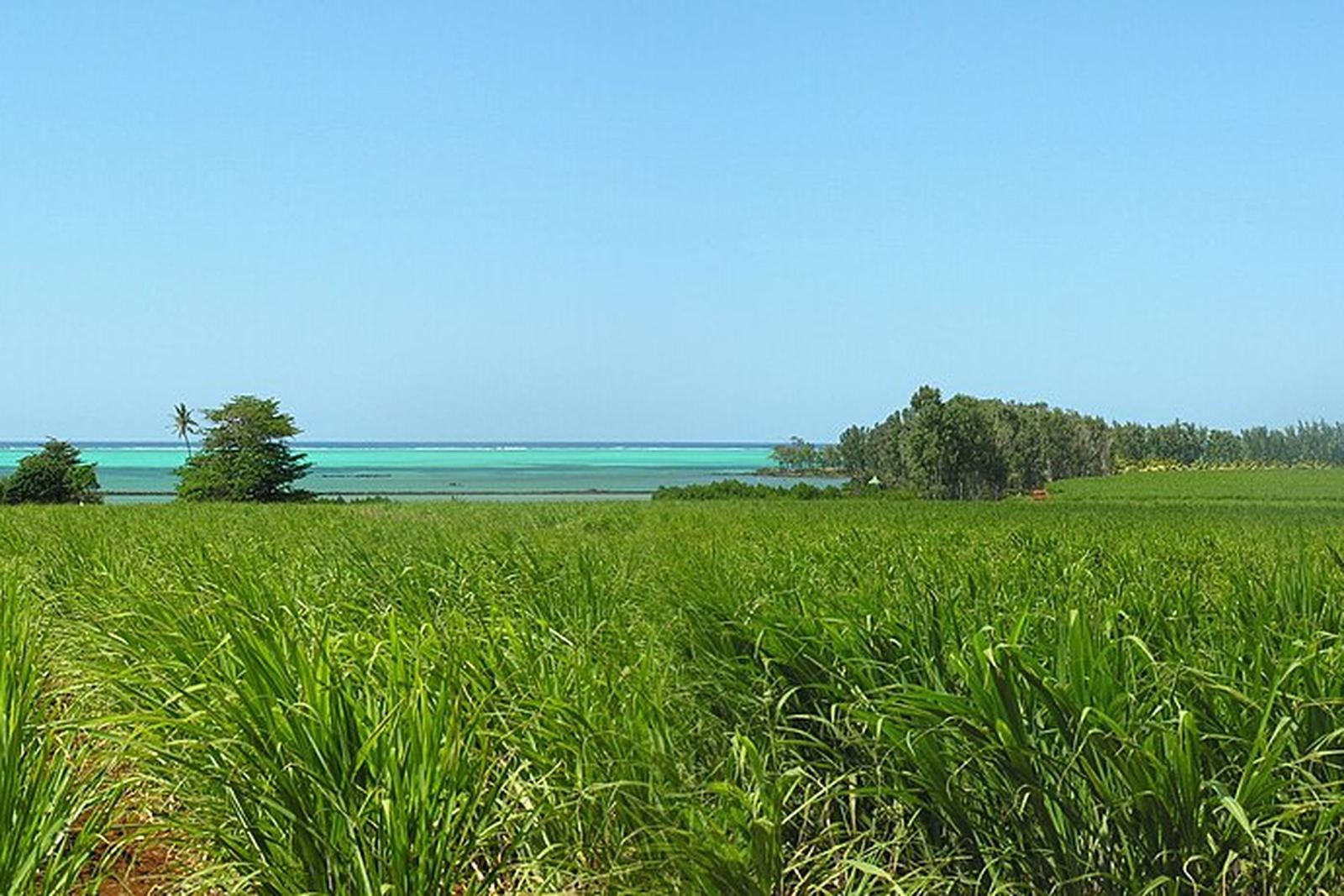 Plan wellRead the land before you draw the house.A pretty view does not tell you about access, boundaries, water or the questions a site visit cannot answer. Start there, before anyone draws a house.
 Plan wellThe permit comes before the first block.In Mauritius the permit comes first. Here is how to find the current rules for your site, without guessed fees or invented timelines.