Heat and humidity,
then the wind.
Comfort starts with shade, rain and a route for air. Where cyclones or hurricanes occur, the structure has to be designed for that too, not added later as an afterthought.
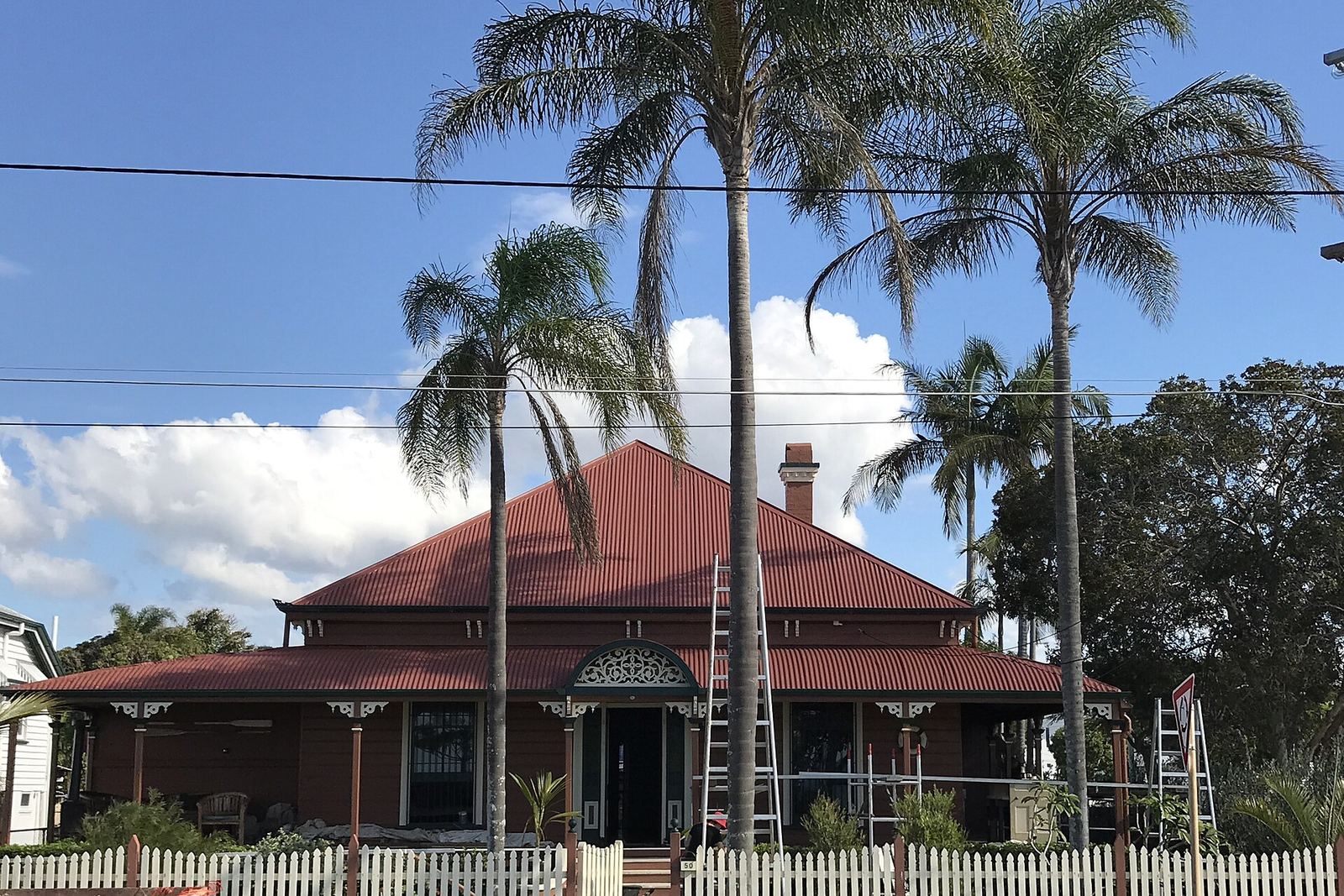
Photograph: Kgbo · CC BY-SA 4.0. Source and licence.

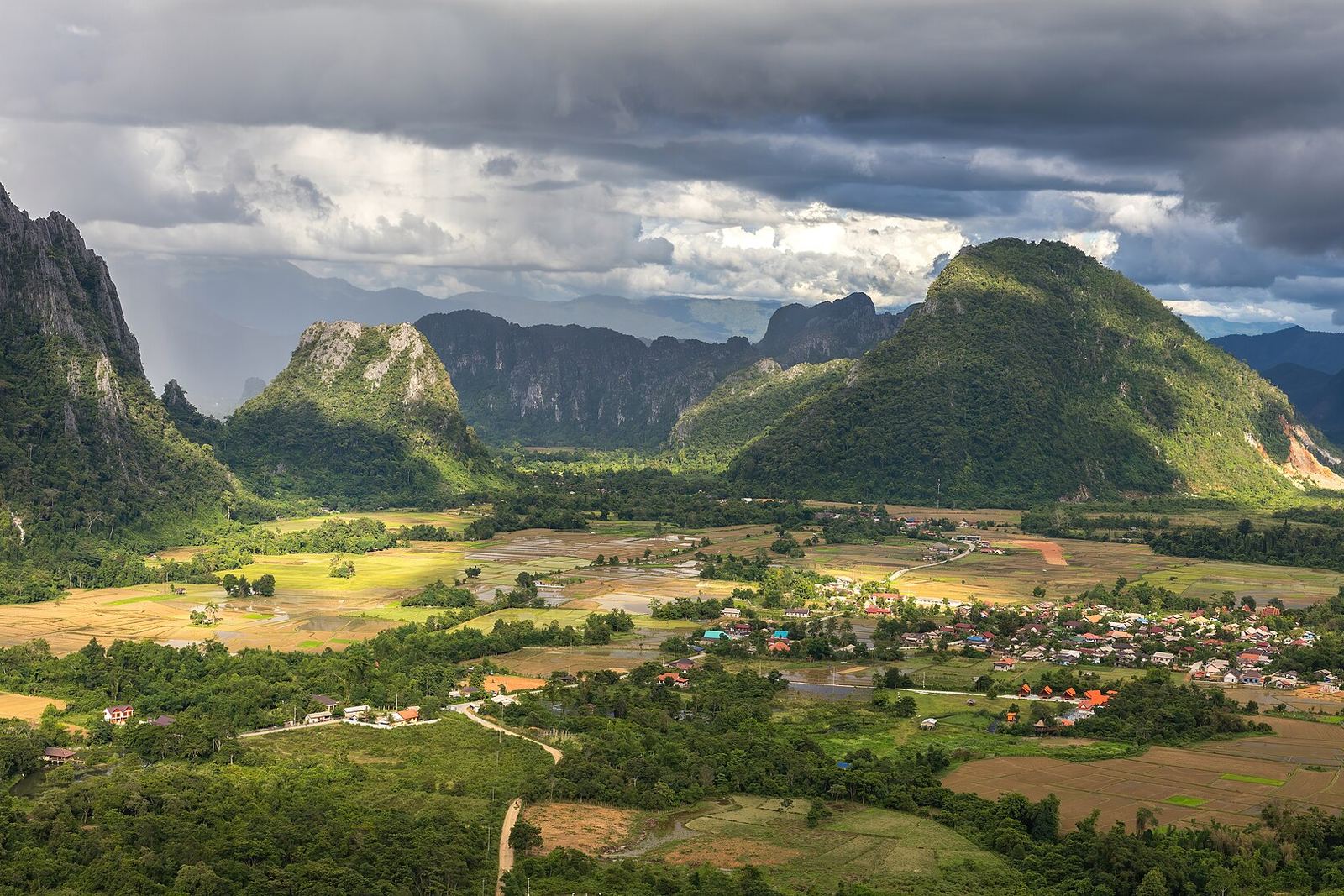
Photograph: Basile Morin · CC BY-SA 4.0. Source and licence.

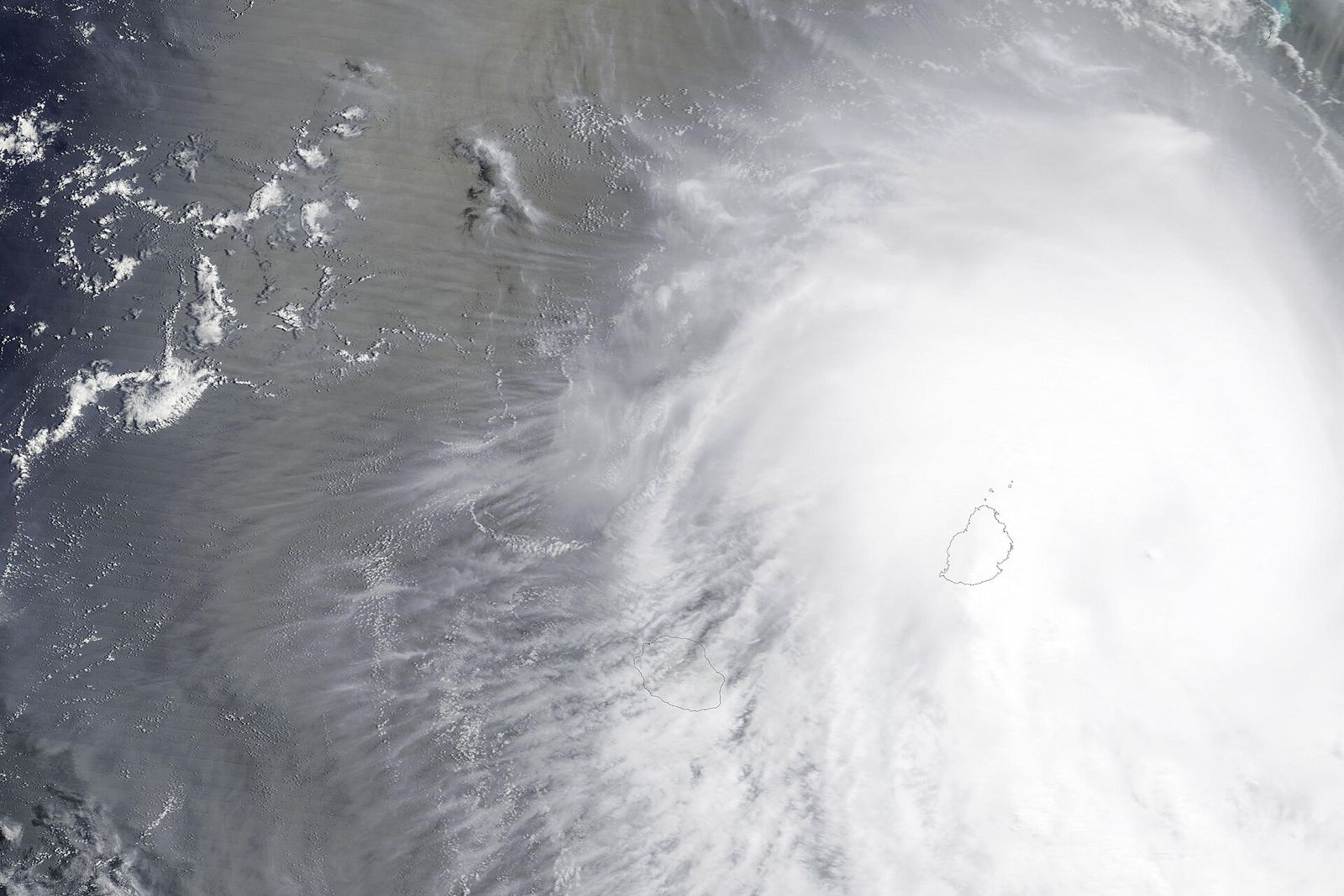
Photograph: NASA / MODIS Land Rapid Response Team · Public domain. Source and licence.

Warm, humid places often need shade on the walls and windows, a roof that sheds heavy rain, and a way for air to move through rooms when the weather allows. A wide veranda is one historic response — the Queenslander house in the photograph is an Australian example, shown as a type, not a model to copy. In Mauritius, the shade and air field note takes this further for the island.
Where tropical cyclones, hurricanes or typhoons occur, preparedness and structural design are different jobs. Official forecasts and household checklists matter, but they do not certify a new building. Ask a local structural professional for the design basis, and include the roof, openings and later equipment in that conversation.
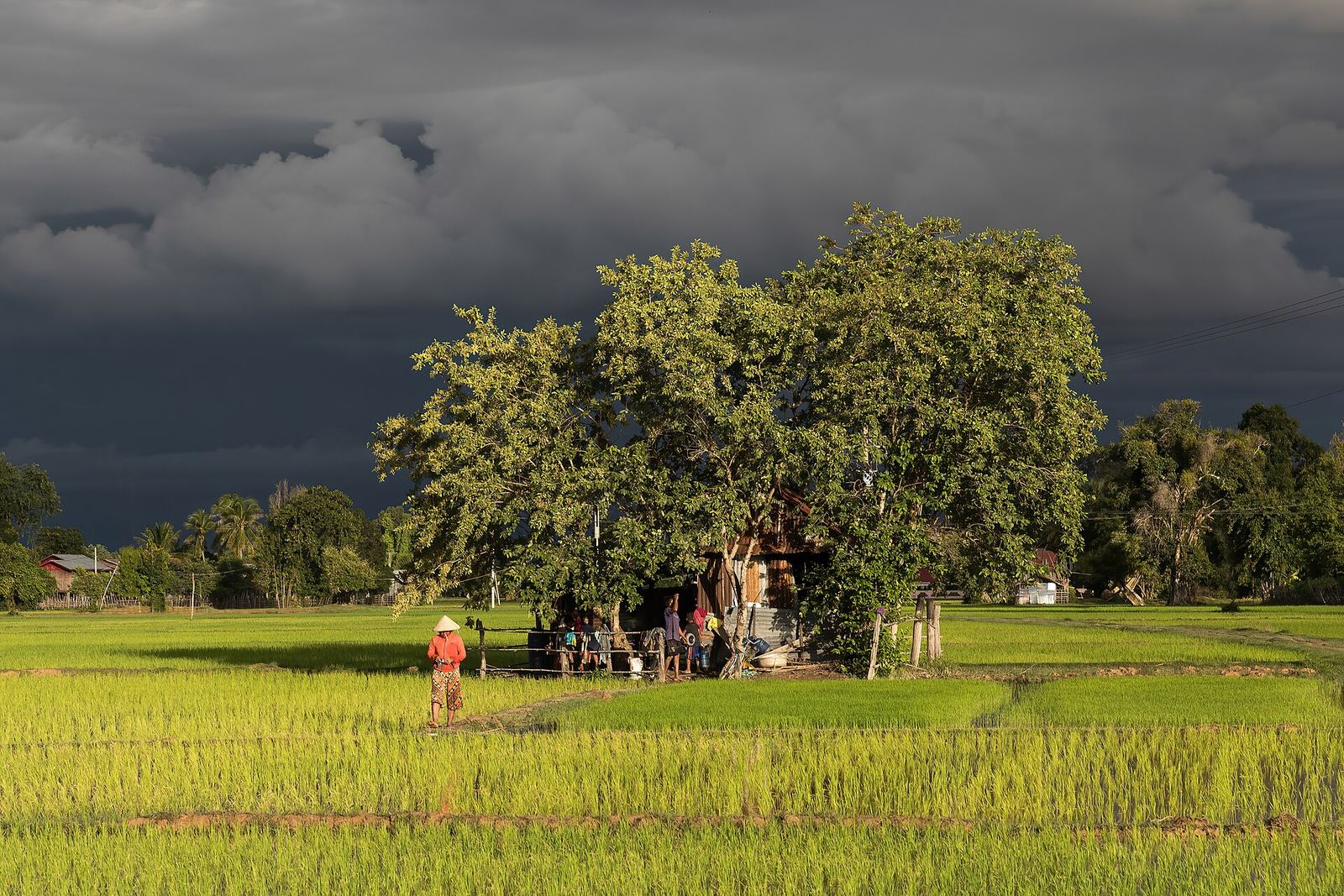
Photographs of a monsoon sky in Laos, and of a cyclone near Mauritius, are included to show the kind of weather these houses may face. They are not a forecast for your site.
Guides to open next
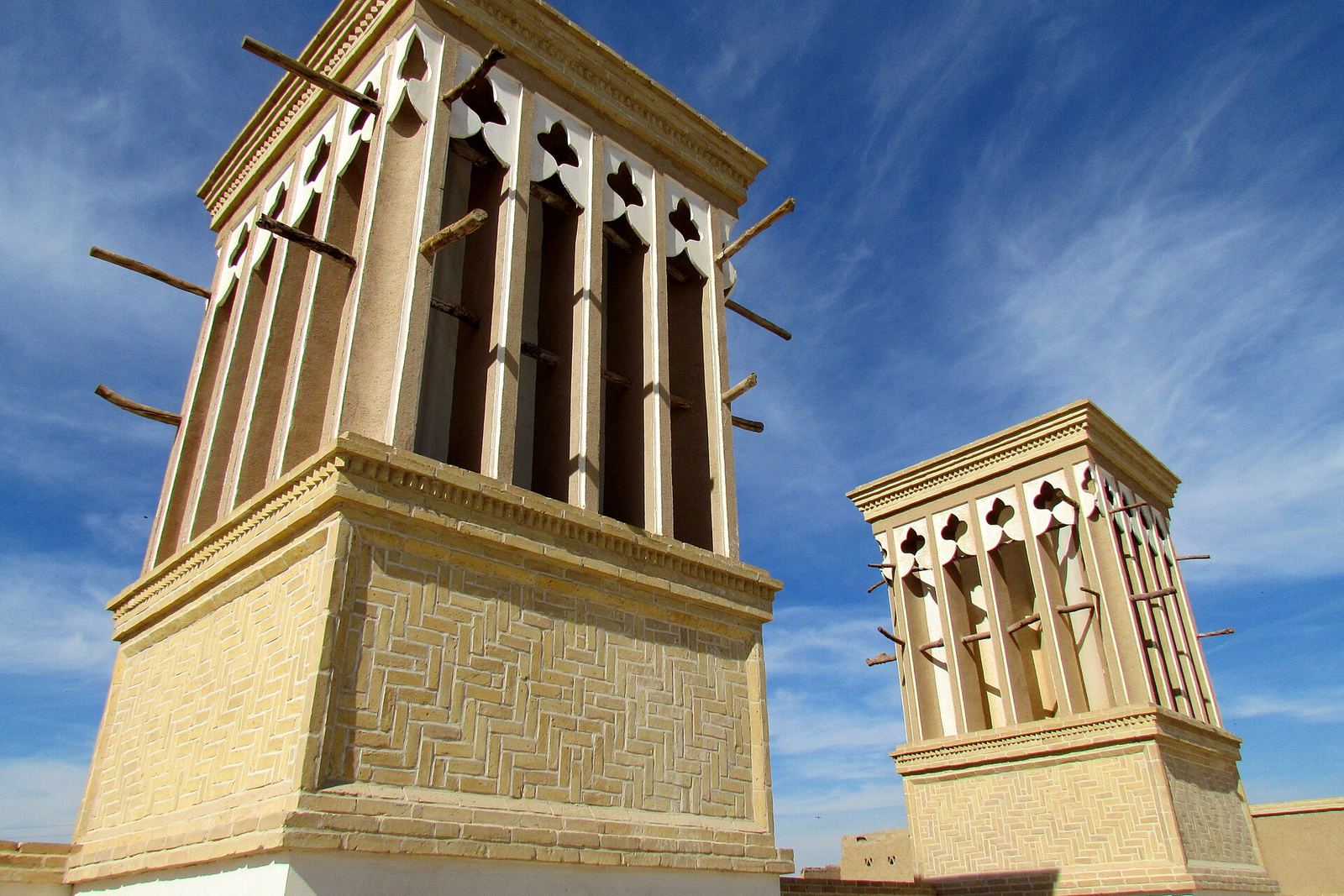 Design for climateDesign for this climate, not a borrowed photograph.A house designed for a photograph from somewhere else often fails in this climate. Start with the heat, the rain, the wind and the sun on this plot.
 Design for climateCut the energy bill on the drawings, before you buy a single solar panel.Solar panels, batteries and heat pumps are all sized against how much energy the house needs. That number is set much earlier, by the plan, the…
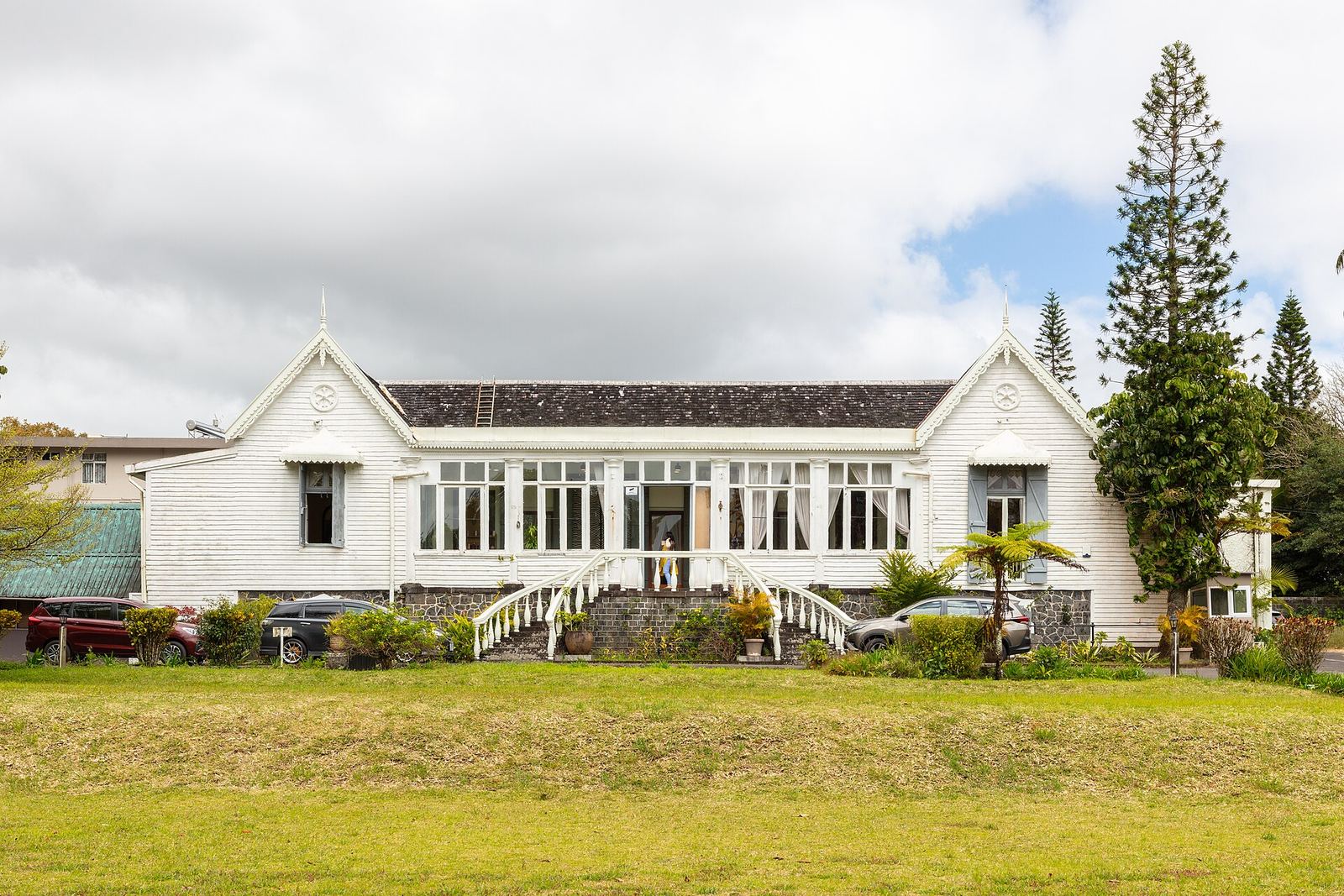 Design for the islandDesign for shade. Make room for air.Shade and a route for air do more for comfort than a bigger air conditioner. Start with the shape of the house and the sun it actually receives.
- Design for the islandThe roof is where many cyclone questions meet.The covering, the shape, the fixings, the eaves and anything added later belong in one conversation with a structural professional. A…
- Design for the islandAsk harder questions about wind.Cyclone design is an engineer’s job. These are the questions a homeowner can still ask, without pretending to have designed the roof.
 Build carefullyWater finds the detail you forgot.Water gets in at the detail you forgot: a balcony edge, a window sill, a drain that goes nowhere. A waterproofing product is not a design.
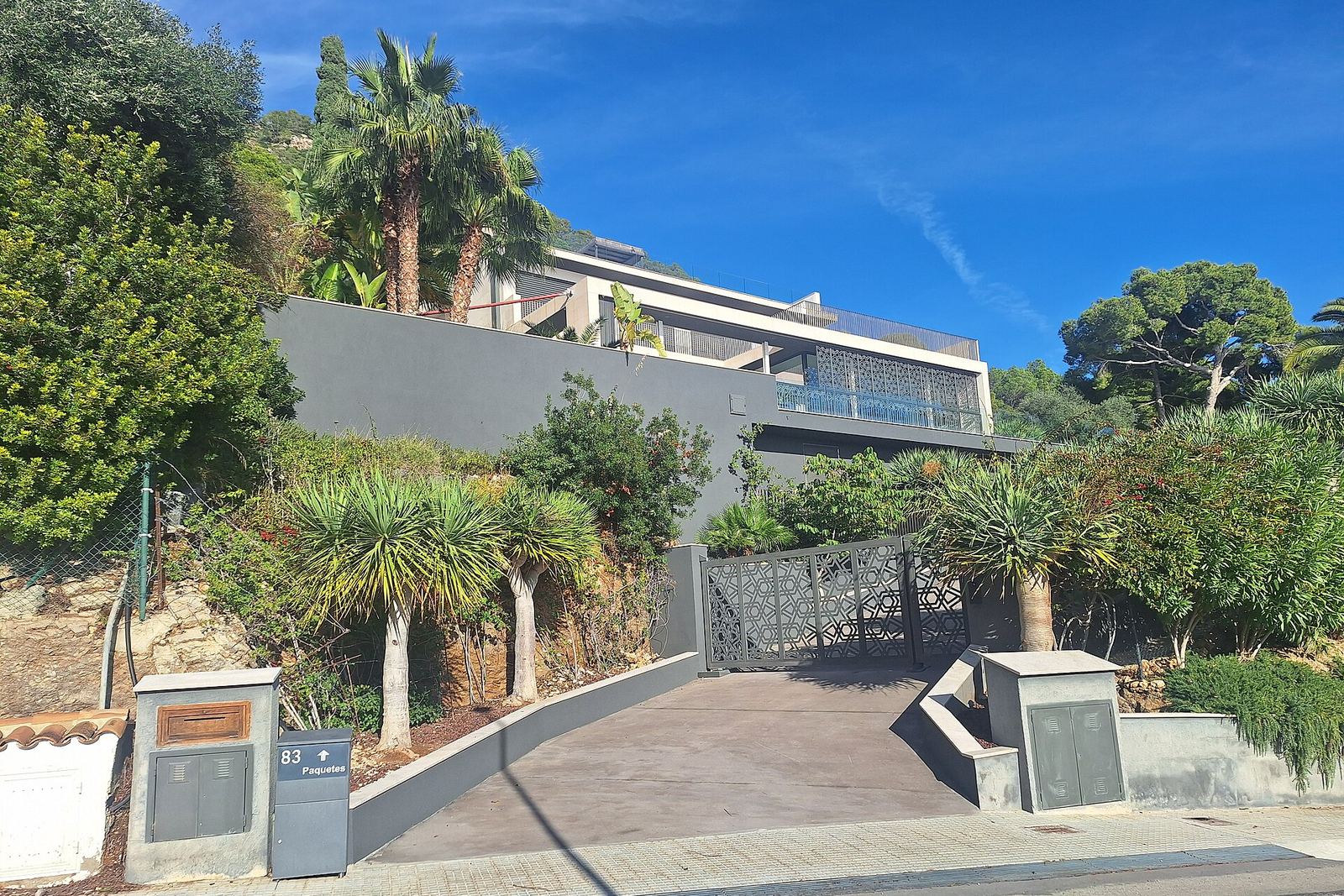 Plan wellThe slope is not just a better view.A hillside plot is a drainage, access and stability problem before it is a panorama. Ask where the water will go, and who has designed the ground,…
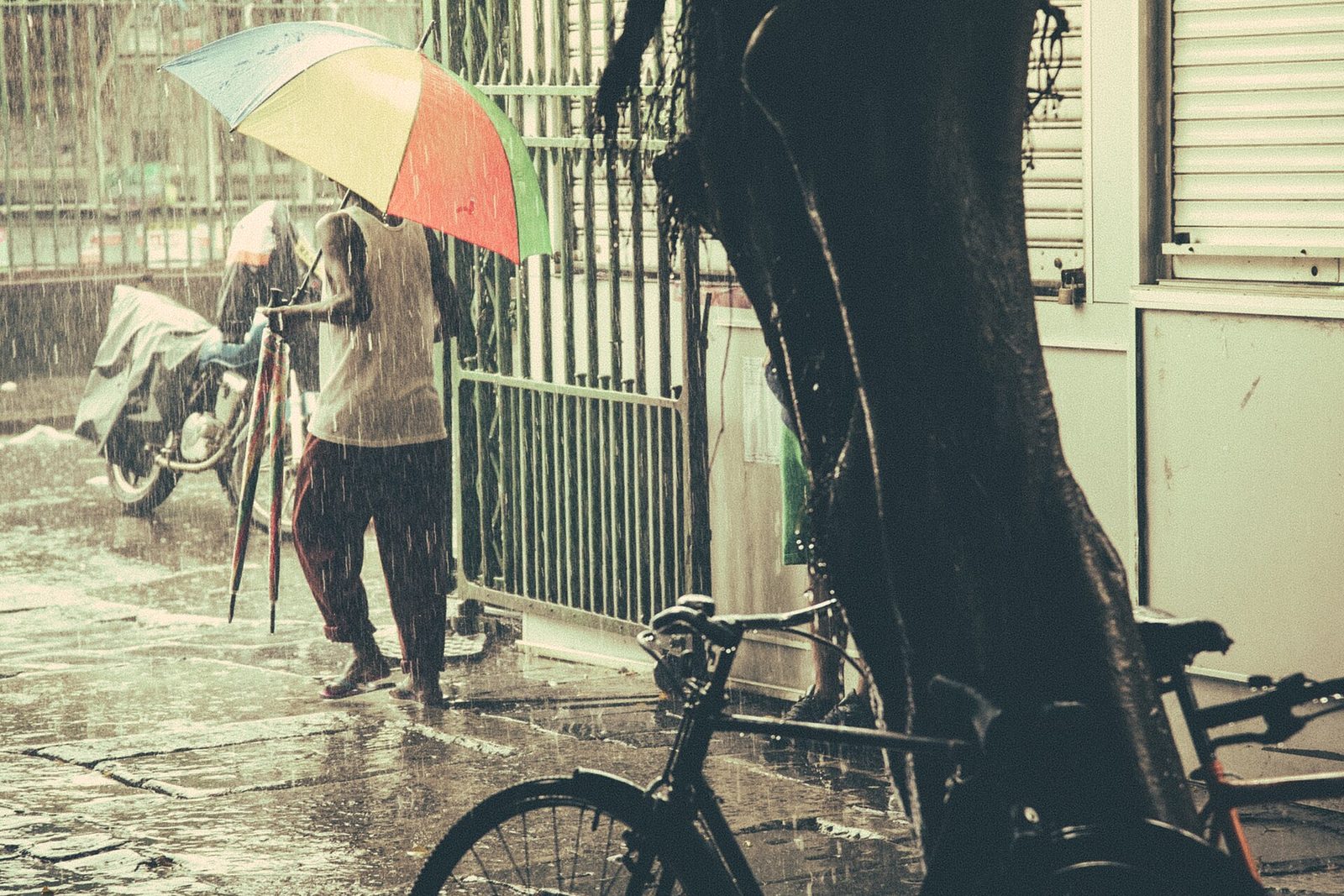 Plan wellA roof sheds up to 95 percent of the rain. Decide where it goes.Mauritius’s drainage authority lists new building among the causes of its floods. Where your rain can lawfully go, what you owe the neighbours and…
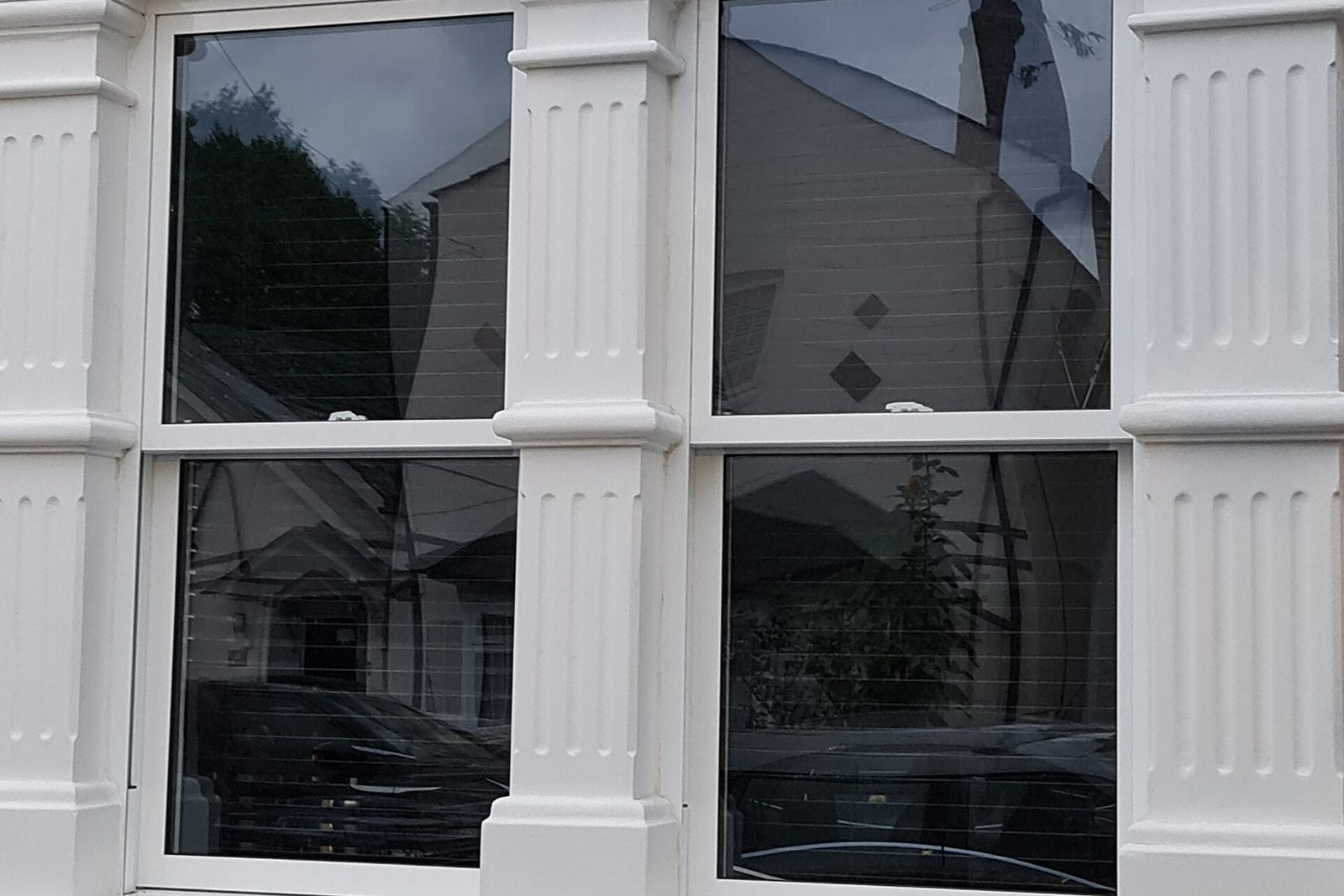 Design for climateBefore you choose a window, read its label. Two numbers do most of the work.Frame colour and style are the easy decisions. How much heat a window leaks, how much sun it lets in and how well it is fitted decide whether a…
Sources & scope
Sources reviewed 10 November 2026. International guidance is labelled and used for general principles only. It is not a local building code or a specification for your site.
Explore the journal