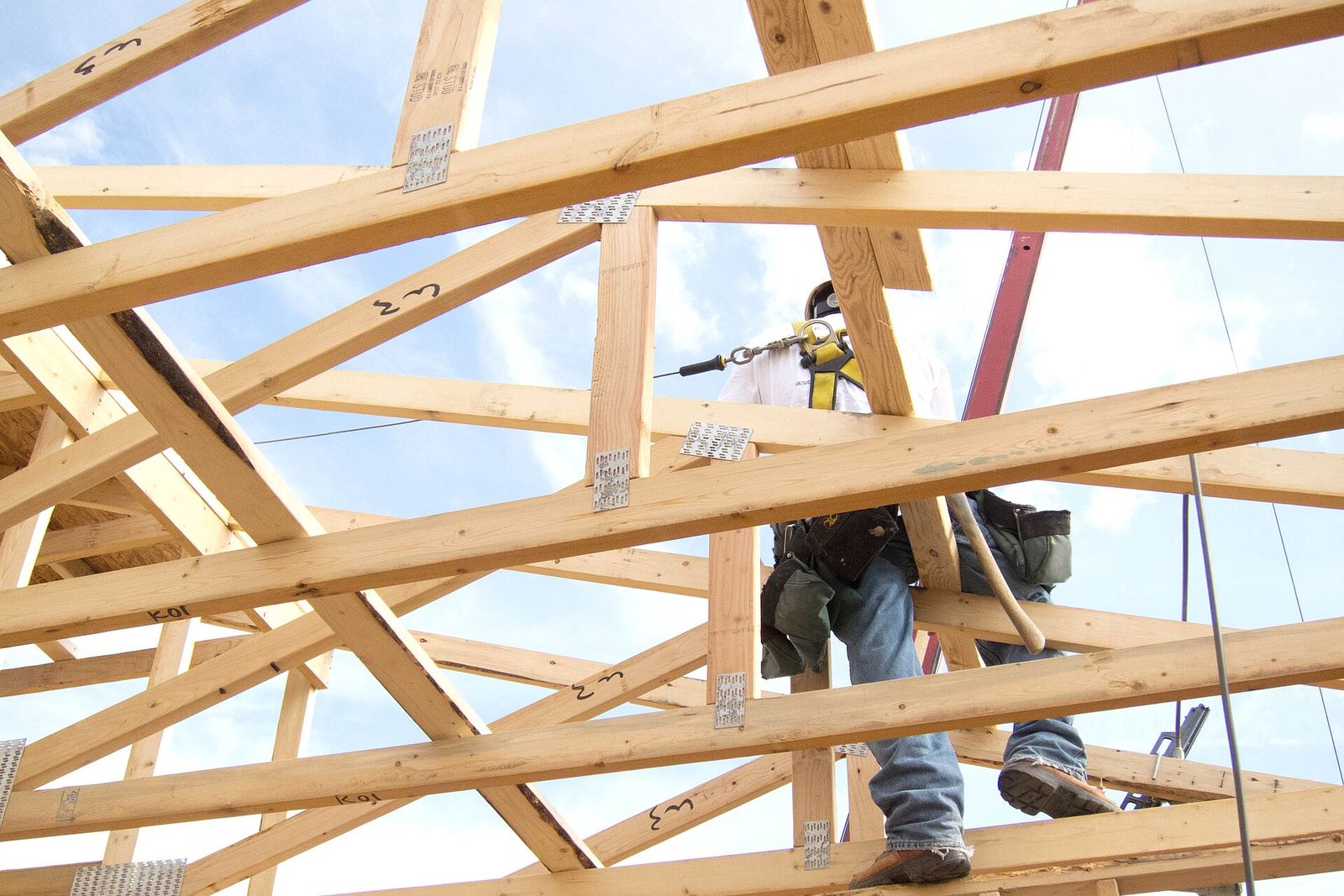

Give every bidder the same job to price
With your professional team, issue one coordinated set of drawings, specifications and a written scope. Ask each bidder to price that revision. Record exclusions and assumptions in a comparison sheet. An attractive total is hard to read if one price includes the driveway and another does not.
Licensing, registration and insurance rules for builders vary widely. Ask what is required where you are building, and have an appropriate local adviser help you check it. This journal does not recommend a contractor or certify a price.
A builder is easier to compare if every bidder has the same scope: see why the cheapest quote may leave the most out. Agree too what will be inspected before it is covered.
Separate a firm price from an allowance
Ask what is fixed, what is an allowance, and what still has to be measured or selected. Record the assumed quantity and quality. Include taxes, temporary works, disposal and service connections in the review where they apply. A headline cost per square metre is only an early sense-check.
Keep a contingency visible. There is no universal percentage that removes project risk.
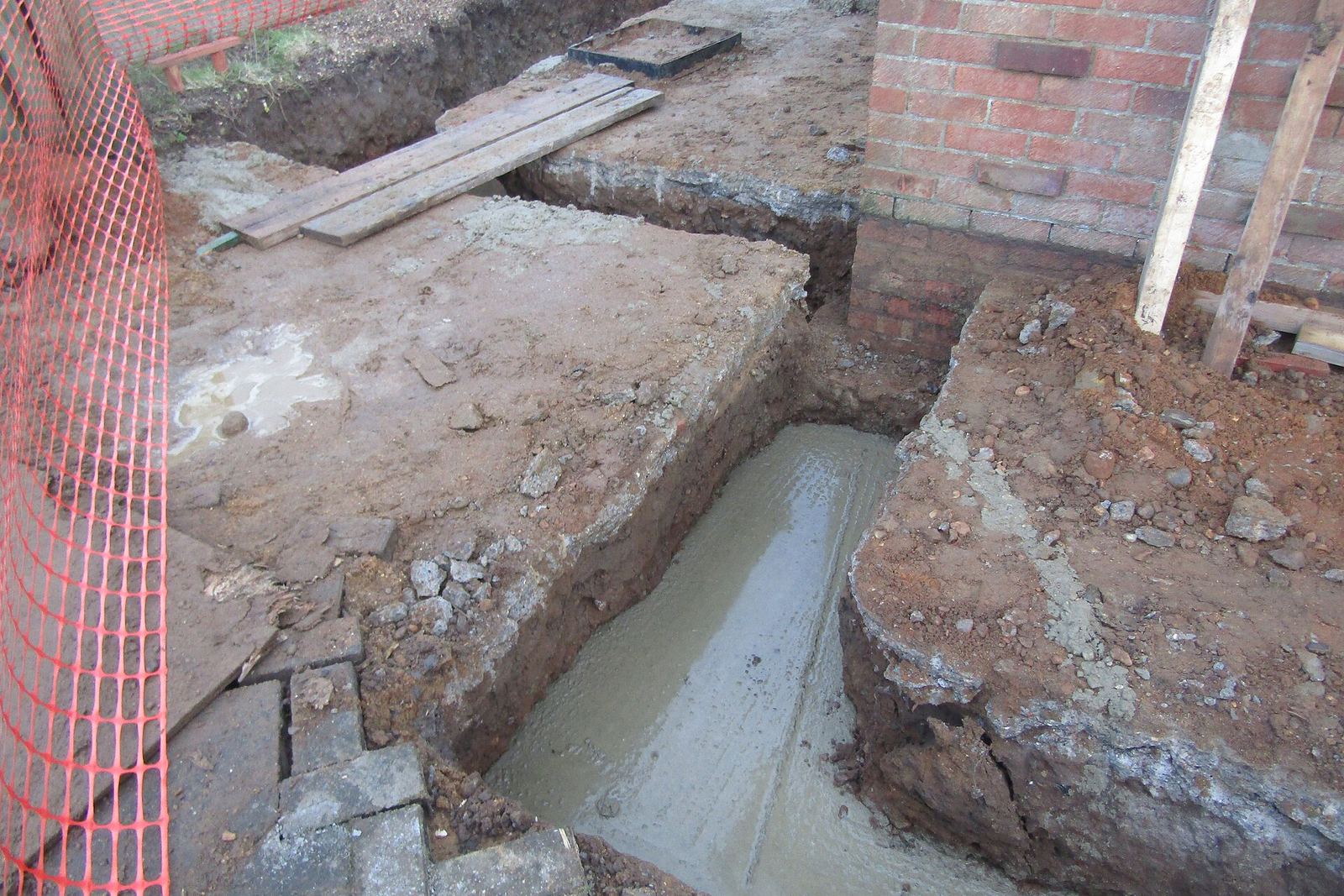
Photograph: Kolforn · CC BY-SA 4.0. Source and licence.

Agree the contract, the changes and the site roles
Use a written contract suitable for the country and the project, reviewed by an appropriate adviser. CIOB guidance for homeowner clients, and UK Federation of Master Builders material on contracts, are useful prompts for defining roles, documenting changes and sharing site information. They are not templates for every legal system.
Before approving a change, ask for the drawing or scope revision, the effect on price and time, and any further professional or authority approval. Record the instruction. “We will sort the price out later” leaves both sides exposed.
Know who is accountable, and how you will pay
Ask who manages the work day to day, who inspects it, and what those appointments include. Design and site supervision are not automatically the same service. Discuss insurance, payment stages, evidence of work, defects and disputes with qualified advisers.
If payment details change, verify them independently using a contact route you already trust. Do not rely on a new email or message alone.
Do
- Compare bidders against the same drawings and scope.
- Check the licences, insurance and contract that apply in this jurisdiction.
- Document the cost and time effect of changes before you agree them.
Avoid
- Choose a total without understanding what it omits.
- Assume a designer’s fee includes site supervision.
- Change payment details from a message you have not verified independently.
Sources & scope
Sources reviewed 10 November 2026. Linked professional guidance is general and, in some cases, written for one country. It is not a contract, a legal opinion or a recommendation of a builder.
Written by 3dspace.mu Editorial. This article is general educational material, not professional review or advice for your site. No claim of architect or engineer authorship is made.
Read next
 Build carefullyBefore you open an old wall, find out what is in it.Renovation budgets usually break in the first week of demolition. Old paint, old wiring and old damp are cheaper to find with a survey than with a…
 Plan wellRead the land before you draw the house.A pretty view does not tell you about access, boundaries, water or the questions a site visit cannot answer. Start there, before anyone draws a house.
 Plan wellThe permit comes before the first block.In Mauritius the permit comes first. Here is how to find the current rules for your site, without guessed fees or invented timelines.