

Give every bidder the same information
Prepare a coordinated set of drawings, specifications and a clear scope with your professional team. Ask each bidder to price the same revision. Record exclusions and assumptions in a comparison sheet rather than burying them in correspondence.
An attractive total is hard to interpret if one price includes external works and another does not. Ask your quantity surveyor or cost adviser to identify gaps before choosing a contractor.
A clear quote is easier to judge if every bidder is pricing the same job. See also how to choose a builder, and what to check before the work is covered.
Separate fixed work from allowances
Ask what is priced, what is an allowance and what remains to be measured or selected. Record the assumed quantity, quality and responsibility where relevant. Include taxes, site facilities, disposal, service connections and other applicable items in the review.
A headline cost per square metre cannot describe every site and specification. Use it only as an early sense-check, not a substitute for a project estimate. Keep contingency visible and discuss an appropriate amount with your adviser; there is no universal percentage that removes project risk.
Agree how changes work
The FMB’s homeowner guidance highlights the importance of documenting and costing changes. Apply that principle through a contract suitable for Mauritius, reviewed by an appropriate local adviser. UK contract examples are not local legal templates.
Before approving a change, ask for the drawing or scope revision, price impact, time impact and any necessary professional or authority approval. Record the decision and circulate the updated instruction. “We will sort the price out later” leaves both sides exposed to disagreement.
Know who is accountable on site
Ask who manages the work day to day, who supervises or inspects it and what their appointments actually include. Design work and site supervision are not automatically the same service. CIOB homeowner guidance is a useful prompt for defining roles and sharing site information.
Discuss insurance, payment milestones, evidence of work, defects and dispute handling with qualified advisers. Verify any payment-detail change independently using a contact route you already trust. This journal does not recommend a contractor, certify a price or provide legal or financial advice.
Do
- Compare the same drawings, scope and finish assumptions.
- Keep exclusions and allowances in a visible schedule.
- Document the cost and time effect of changes before agreement.
Avoid
- Select a total without understanding what it omits.
- Confuse a concept estimate with a fixed project cost.
- Assume the designer’s fee includes site supervision.
Sources & scope
Sources reviewed 10 November 2026. Linked international guidance supports general principles only; it is not Mauritius law or a local construction specification.
Written by 3dspace.mu Editorial. This article is general educational material, not professional review or advice for your site. No claim of architect or engineer authorship is made.
Read next
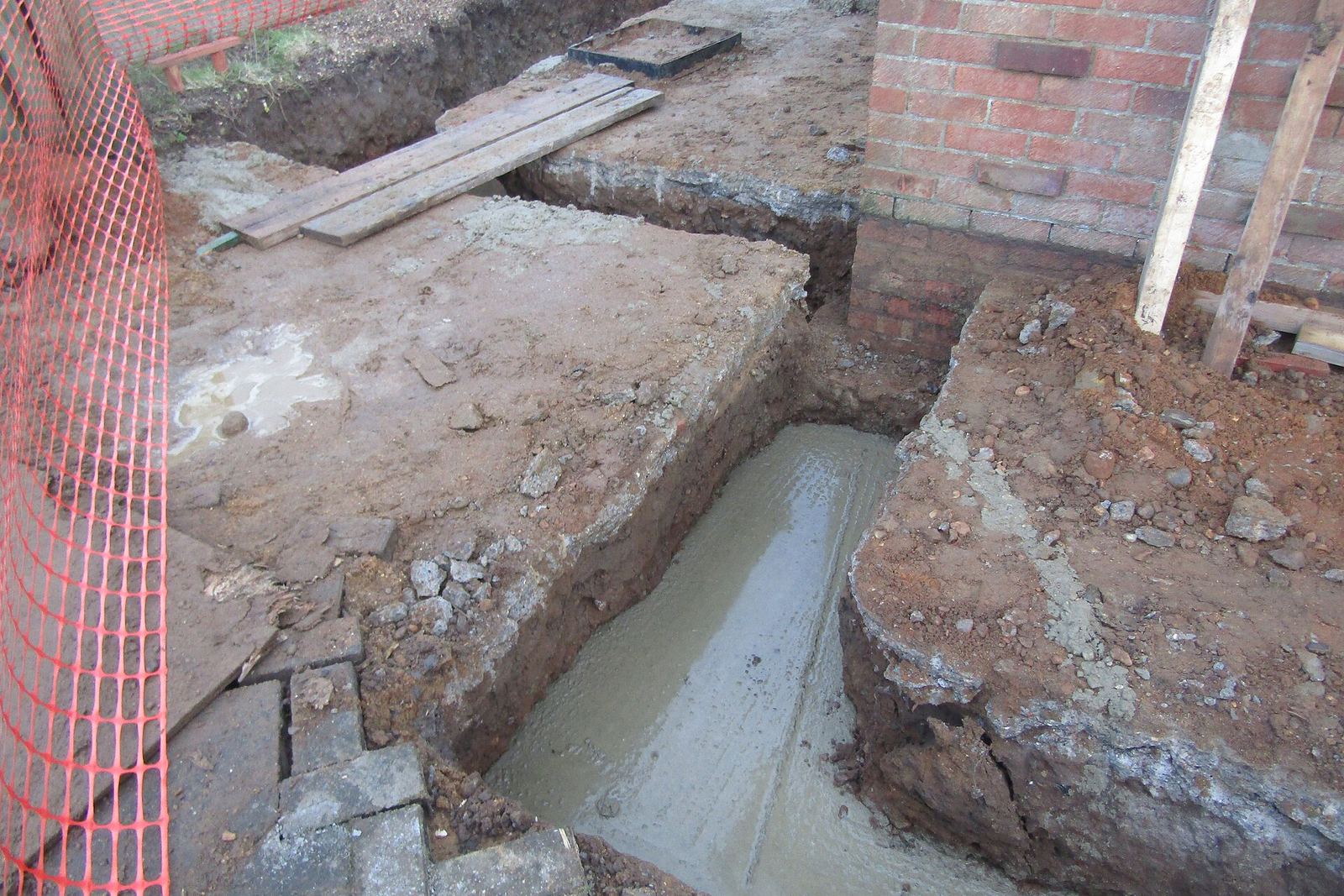 Build carefullyCheck it before it disappears.Once the plaster is on, you are trusting a photograph and a memory. Agree what will be inspected, and when, before the work is covered.
 Plan wellRead the land before you draw the house.A pretty view does not tell you about access, boundaries, water or the questions a site visit cannot answer. Start there, before anyone draws a house.
 Plan wellThe permit comes before the first block.In Mauritius the permit comes first. Here is how to find the current rules for your site, without guessed fees or invented timelines.