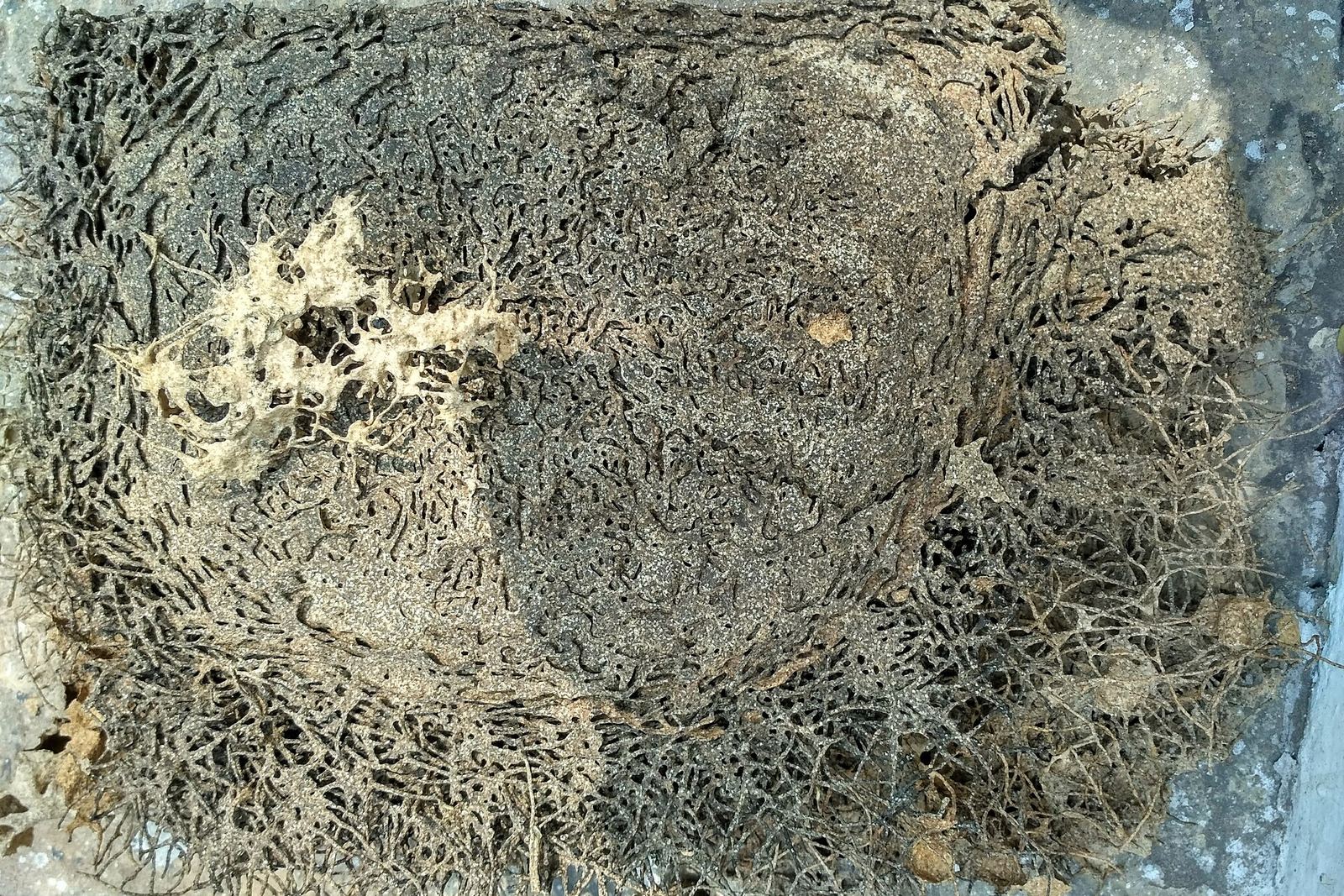

Treat moisture and insects as related problems
Mauritius is a warm, humid island climate. Damp timber, poorly drained ground against a wall, and concealed voids can create conditions in which decay and wood-destroying insects thrive. The US EPA’s moisture-control guidance, written for building design and maintenance, treats drainage, foundations, walls, roofs and services as connected issues. That principle is useful here; it is not a Mauritius construction code.
Ask your design team how rain, ground moisture, indoor humidity and material choices have been considered together. A single product applied at the end of the job is not a moisture strategy.
Moisture and timber belong in the same brief as keeping water out and, in a humid climate, insulation and ventilation that actually suit the place.
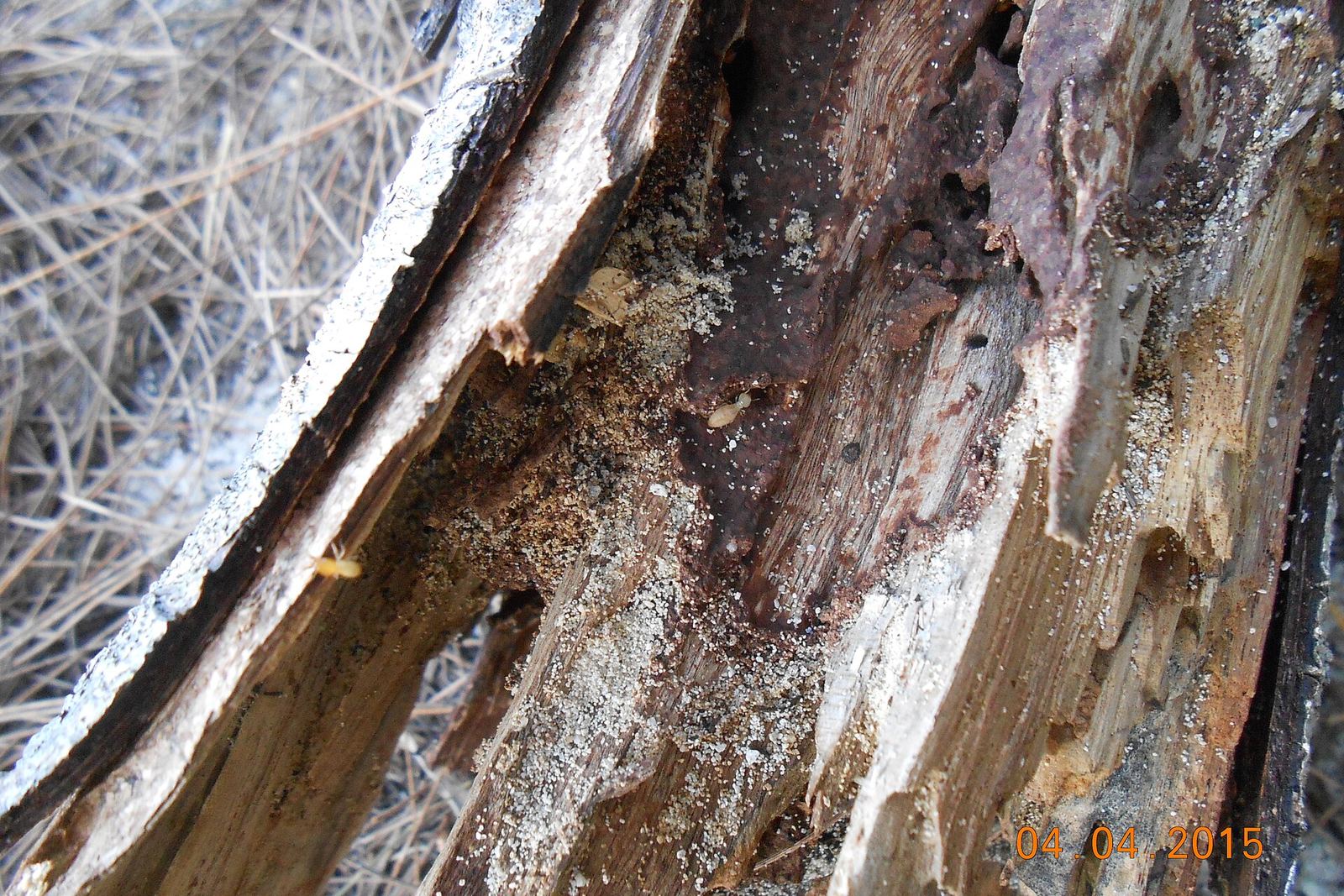
Photograph: Editor abcdef · CC0. Source and licence.

Ask for a professional view of the timber in the design
List the timber that will actually be used: structure, roof framing, windows, doors, flooring, cladding or external joinery. Ask which elements are vulnerable, how they are separated from damp ground or concrete, and how they can be inspected later. Australian government Your Home guidance on termites, which reflects a country with a serious termite risk, emphasises prevention, inspection access and professional assessment rather than homeowner diagnosis. Use it as a prompt for questions, not as a local specification.
Do not identify a species, a treatment, or the soundness of a piece of timber from a photograph in this journal or from a marketing label. That is work for a qualified person.

Photograph: CSIRO · CC BY 3.0. Source and licence.

Make inspection possible
Ask where a competent inspector can look after the house is finished, and what would hide a problem. Skirting, cladding, decks and built-in joinery can conceal damage until it is advanced. Agree who will inspect, how often, and how the findings will be recorded.
If you are altering an existing house, have hidden timber and damp areas assessed before they are covered again. Do not disturb structural members, electrical equipment or suspected nests yourself.
Keep indoor humidity in the conversation
Air conditioning, tightly shut windows and wet rooms can move moisture into places it did not reach when the house was more open. Ask how condensation, bathrooms, kitchens and drying laundry have been allowed for, especially if the house will sometimes run with the windows closed.
A musty smell, staining or blistering paint is a reason to call in the right professional, not to seal the mark with another coat of paint. Find the source of the moisture first.
Do
- Discuss moisture, drainage and timber protection with the design team early.
- Provide for later inspection of vulnerable timber.
- Use qualified people to identify insects, decay and treatments.
Avoid
- Treat a spray or a paint as a complete moisture design.
- Diagnose termite species or structural damage from a photograph.
- Block inspection access behind permanent finishes.
Sources & scope
Sources reviewed 10 November 2026. Linked international guidance supports general principles only; it is not Mauritius law or a local construction specification. This journal found no single official Mauritius homeowner manual on termites to cite; rely on local professionals for site advice.
- US EPA · Moisture-control guidance
- Your Home · Repairs and maintenance, including termites (Australia)
Written by 3dspace.mu Editorial. This article is general educational material, not professional review or advice for your site. No claim of architect or engineer authorship is made.
Read next
 Plan wellSolar, tanks and the loads a roof was not expecting.Solar panels and water tanks change the load on a roof, the drainage and, often, the approvals you need. Ask that before anyone orders the kit.
 Plan wellRead the land before you draw the house.A pretty view does not tell you about access, boundaries, water or the questions a site visit cannot answer. Start there, before anyone draws a house.
 Plan wellThe permit comes before the first block.In Mauritius the permit comes first. Here is how to find the current rules for your site, without guessed fees or invented timelines.